
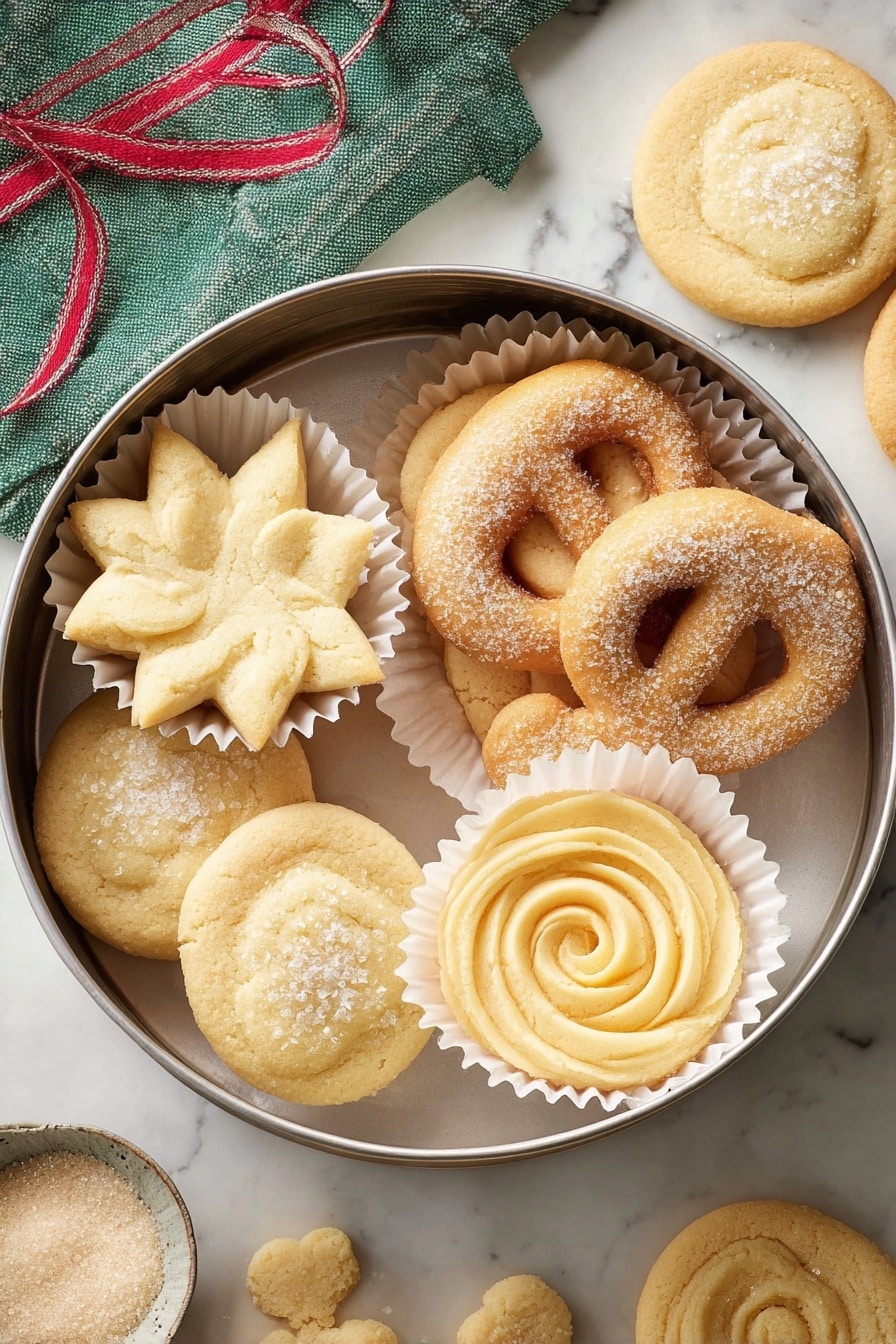
If you love classic, buttery cookies that practically melt in your mouth, then this Danish Butter Cookies Recipe is exactly what you need to try next. I absolutely adore how these cookies come out crisp on the edges but tender and rich inside — they are truly a timeless treat that’s surprisingly easy to make right at home. Stick around, and I’ll walk you through every step so you can impress friends and family with these scrumptious cookies.
Why You’ll Love This Recipe
- Simple, High-Quality Ingredients: You only need a handful of pantry staples that come together to create something extra special.
- Melt-In-Your-Mouth Texture: The secret blend of all-purpose and cake flour gives you that signature delicate crunch and softness.
- Perfect for Any Occasion: Whether it’s a holiday, gift-giving time, or just a cozy afternoon treat, these cookies fit right in.
- Easy to Customize & Make Ahead: You can prep and chill your cookies ahead to fit your schedule without any fuss.

Ingredients You’ll Need
These ingredients work beautifully together to deliver that authentic Danish butter cookie flavor and texture I fell in love with. When I shop for this recipe, I always make sure to use good quality European-style butter—it really makes a difference!
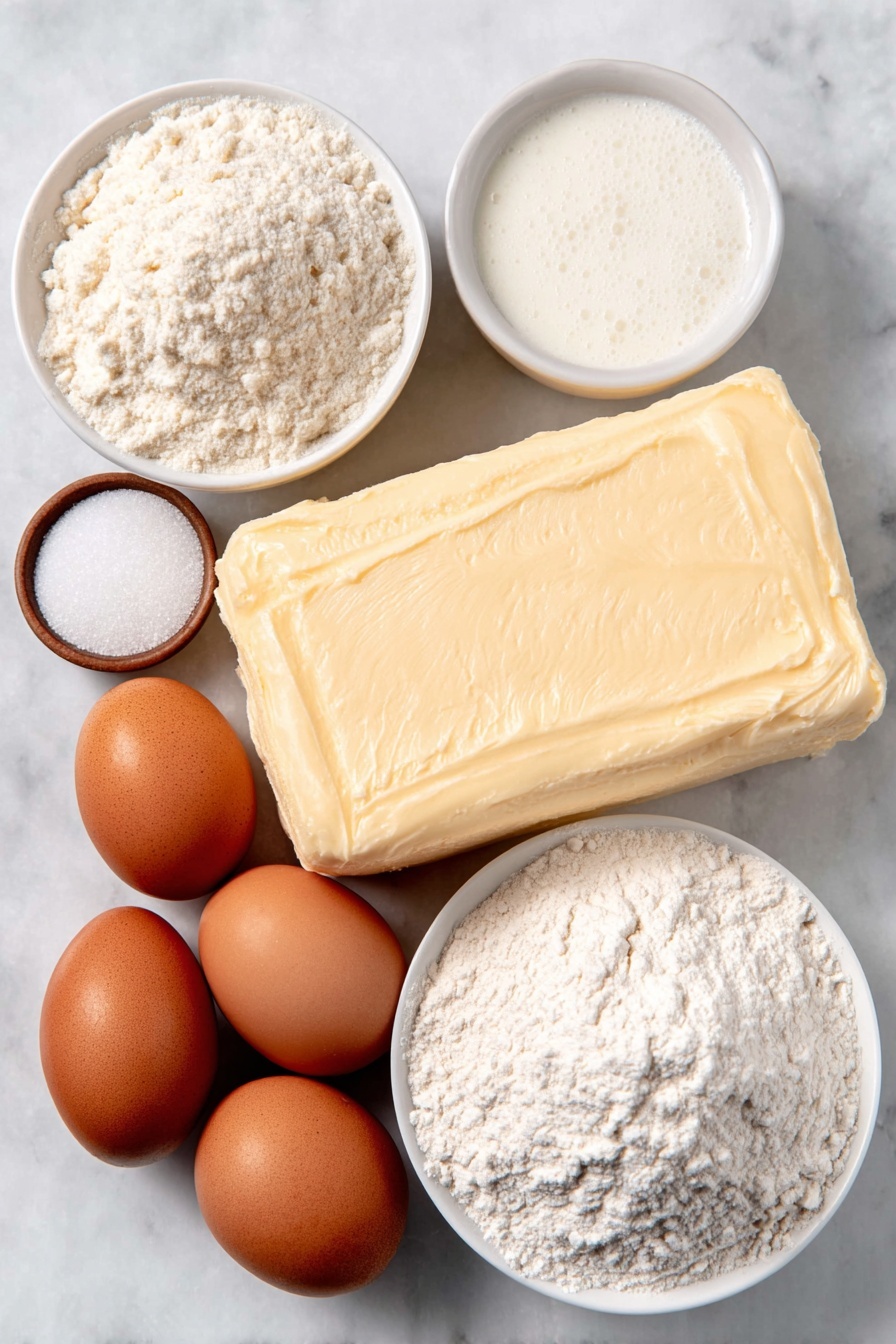
- European salted butter: Using European butter with a higher fat content is key for rich flavor; if you use unsalted, just add a pinch more salt.
- Granulated sugar: Provides just the right sweetness and helps with that delicate crunch.
- Salt: Enhances flavors and balances sweetness perfectly.
- Egg yolks: They add richness and help bind the dough without making it tough.
- Vanilla extract: I like to use pure vanilla for the warm aroma and flavor boost.
- Whole milk: Just a splash softens the dough so it pipes beautifully.
- All-purpose flour: The main structure for our cookies; measure it carefully.
- Cake flour: This is the secret weapon for melt-in-your-mouth texture—it lightens the cookies up wonderfully.
- Coarse sugar: Use this for decorating — it adds a lovely sparkle and crunch on top.
Variations
I love making this Danish Butter Cookies Recipe my own by tweaking it just a little depending on the season or my mood. Once you get comfortable with the basic dough, feel free to get creative!
- Chocolate-Dipped Cookies: After baking, dip half the cookie in melted dark or white chocolate — my family goes crazy for this twist at holiday time.
- Almond or Citrus Twist: Add a teaspoon of almond extract or a bit of finely grated lemon zest to the dough for a fragrant variation.
- Gluten-Free Option: You can experiment with a gluten-free flour blend but expect the texture to be slightly different; my trick is to chill dough longer before baking.
- Vegan Adaptation: Replace butter with a vegan alternative and use a flax egg instead of yolks, though you might lose some richness.
How to Make Danish Butter Cookies Recipe
Step 1: Prep Your Space and Chill Your Dough
First things first: make room in your fridge for your shaped cookies — chilling is an absolute must. When I first tried skipping this step, my cookies spread too much and lost their beautiful shapes. Line your baking sheets with parchment or silicone mats so your cookies will release easily after baking.
Step 2: Cream Butter, Sugar, and Salt to Perfection
Pop your room temperature butter into a stand mixer with the paddle attachment and whip it until it’s silky smooth. Then, while your mixer is running low, slowly add the sugar and salt. You’ll notice the mixture turn light and fluffy — that’s your base for beautifully tender cookies.
Step 3: Add Egg Yolks, Vanilla, and Milk
Next, slowly add in the egg yolks, vanilla extract, and milk while mixing on medium speed. Scrape the bowl sides a couple of times to make sure everything blends evenly. This helps create a smooth dough that’s easy to pipe.
Step 4: Mix Flours and Combine Dough
Whisk together your all-purpose and cake flour in a separate bowl to ensure they’re evenly mixed. Add the flour in two batches to your wet ingredients, mixing on low speed just until it disappears. If the dough seems too stiff to pipe, add a little extra milk—this is something I learned after a few tries because dryness can make piping tricky.
Step 5: Pipe and Chill the Cookies
Transfer your cookie dough to a piping bag fitted with a ½-inch open star tip. Now, pipe your cookies onto the prepared sheets — I love making rosettes, pretzels, and circles. Remember to space them at least 2 inches apart so they don’t stick together. Add coarse sugar or festive sprinkles on top if you want a little extra sparkle. Then chill them in the fridge for 20-30 minutes to set.
Step 6: Bake to Golden Perfection
Preheat your oven to 350°F (175°C) and position the rack in the middle. Bake your chilled cookies for 10-15 minutes until just the edges turn a delicate golden brown. This is key to getting that crisp outside without drying out the middle. Let the cookies cool on the pan for about 5 minutes before transferring them to a wire rack to cool completely.
Pro Tips for Making Danish Butter Cookies Recipe
- Use Room Temperature Ingredients: Butter and eggs should be just cool enough to indent, but not cold — this ensures smoother creaming and even baking.
- Don’t Overmix Your Dough: Mixing too long develops gluten, which can make cookies tough — stop once the flour is fully incorporated.
- Chill the Piped Dough: I found chilling prevents spreading and helps keep those beautiful shapes intact.
- Keep an Eye on Baking Times: Since different shapes can bake unevenly, watch your cookies closely to catch them just as edges turn golden.
How to Serve Danish Butter Cookies Recipe

Garnishes
I usually keep garnishes simple — a sprinkle of coarse sugar before baking adds the perfect touch of sparkle and slight crunch. Sometimes for special occasions, I dip fingertips of my cookies in melted chocolate or dust them lightly with powdered sugar for extra flair.
Side Dishes
These cookies pair wonderfully with a range of drinks — I love serving them alongside a strong cup of coffee, a refreshing glass of cold milk, or even a warming cup of hot chocolate. They also make a delightful accompaniment to afternoon tea with lemon or chamomile.
Creative Ways to Present
For gift-giving, I like to arrange these butter cookies in colorful tins or clear jars tied with ribbons. On holidays, mixing in red and green sprinkles or using festive cookie cutters adds a fun festive vibe. Displaying them on tiered cake stands also makes for an elegant dessert table centerpiece.
Make Ahead and Storage
Storing Leftovers
I store leftover Danish Butter Cookies in airtight containers at room temperature, where they stay fresh and crisp for up to 5 days. Sometimes I add a slice of bread to the container to help maintain moisture balance — it’s a little trick that works wonders!
Freezing
I’ve found that freezing both unbaked piped dough and baked cookies works great for this recipe. For unbaked dough, pop the shaped cookies on baking sheets, freeze solid, then transfer to airtight bags for up to 3 months. When ready to bake, add a couple extra minutes to the bake time with no thawing needed.
Reheating
To refresh baked cookies from the freezer, I like to warm them in a 300°F oven for about 5 minutes—this helps restore that fresh-from-the-oven crispness without drying them out. Be sure not to overdo it or they’ll lose their tender middle.
FAQs
-
Can I use unsalted butter for this Danish Butter Cookies Recipe?
Absolutely! If you choose unsalted butter, just add about ¼ teaspoon of kosher salt to the dough. This adjustment ensures your cookies have the right balance of flavor, since salted butter naturally adds saltiness.
-
Why do I need to chill the cookie dough after piping?
Chilling the dough helps it firm up, which prevents the cookies from spreading too much while baking. This step is crucial if you want those classic shapes to stay intact and crisp on the edges.
-
Can I replace cake flour with all-purpose flour?
You can, but cake flour is part of the magic for that tender, melt-in-your-mouth bite. If you don’t have cake flour, use 260 grams of all-purpose flour in total. Just be mindful the texture might be a bit firmer.
-
How long do Danish butter cookies last?
Stored properly in an airtight container at room temperature, these cookies last up to 5 days. If frozen, they keep their quality for up to 3 months.
Final Thoughts
This Danish Butter Cookies Recipe is a true gem in my baking repertoire. I remember the first time I made them, the smell filled the kitchen with warmth and nostalgia, and everyone loved how buttery and delicate they turned out. If you’re looking for a no-fail cookie that’s impressive yet easy to make, give this recipe a whirl. I promise you’ll find yourself coming back for batch after batch — they’re that good!
Print
Danish Butter Cookies Recipe
- Prep Time: 15 minutes
- Cook Time: 15 minutes
- Total Time: 1 hour 30 minutes
- Yield: 24 cookies
- Category: Dessert
- Method: Baking
- Cuisine: Danish
Description
These Danish Butter Cookies are a classic treat known for their melt-in-your-mouth texture and buttery flavor. Made with a perfect blend of European salted butter, sugar, egg yolks, and a combination of all-purpose and cake flours, these cookies are piped into charming shapes and baked to a delicate golden finish. Perfect for festive occasions or an everyday indulgence, these cookies deliver a crisp yet tender bite, ideal for pairing with tea or coffee.
Ingredients
Dough Ingredients
- 1 cup (227 g) European salted butter, room temperature
- ½ cup (100 g) granulated sugar
- ⅛ teaspoon salt
- 2 egg yolks
- 2 teaspoons (10 g) vanilla extract
- 1 tablespoon (15 g) whole milk, plus more to soften if needed
- 2 cups (220 g) all-purpose flour
- ½ cup (50 g) cake flour
Decoration
- Coarse sugar for decorating
- Optional festive sprinkles
Instructions
- Prep the refrigerator and baking mats: Clear space in your refrigerator to chill the shaped cookies later. Line two baking sheets with parchment paper or silicone baking mats and set aside.
- Cream butter, sugar, and salt: In a stand mixer fitted with a paddle attachment, beat the room temperature butter on medium speed until smooth. Gradually add the granulated sugar and salt while mixing on low, then increase to medium speed until the mixture is light and fluffy.
- Add egg yolks, vanilla, and milk: Reduce mixer speed to medium low and add egg yolks, vanilla extract, and milk. Continue to mix until fully incorporated, scraping the bowl sides to ensure even mixing.
- Mix dry ingredients and combine: Whisk together all-purpose flour and cake flour in a separate bowl. Gradually add the flour mixture to the wet ingredients in two portions, mixing on low speed until just combined with no visible flour. If the dough feels too stiff to pipe, add an additional tablespoon of milk to soften.
- Pipe the cookies: Transfer the cookie dough into a piping bag fitted with a ½-inch open star tip. Pipe 2-inch shapes such as rosettes, pretzels, circles, or squares onto prepared baking sheets, spacing them at least 2 inches apart. Sprinkle the shaped dough with coarse sugar and optional festive sprinkles. Chill the trays in the refrigerator for 20-30 minutes to prevent spreading.
- Preheat the oven: Preheat your oven to 350°F (175°C) and ensure the rack is placed in the middle position.
- Bake the cookies: Bake chilled cookies for 10-15 minutes or until the edges just begin to turn lightly golden. Keep an eye on them to avoid over-baking.
- Cool the cookies: Let the cookies cool on the baking sheet for about 5 minutes, then transfer them to a wire rack to cool completely to room temperature.
Notes
- Use room temperature butter, slightly cool around 67°F (19°C), for smooth creaming and easy mixing.
- Use room temperature eggs for even baking. Warm cold eggs in slightly warm water for 5 minutes if needed.
- Do not over-mix the dough to prevent gluten overdevelopment, which can toughen the cookies.
- Watch baking time closely as it varies with cookie size and shape.
- You can substitute all cake flour with all-purpose flour (260 g total) for easier preparation, though cake flour improves crispness and texture.
- For accurate flour measurement, use a kitchen scale or fluff the flour before spooning and leveling it off with a knife.
- If using unsalted butter, add ¼ teaspoon kosher salt to the dough.
- Store cookies in an airtight container at room temperature for up to 5 days or freeze for up to 3 months.
- You can chill shaped cookies on the baking sheet for up to 2 days before baking; cover if chilling longer than 30 minutes.
- Frozen unbaked dough can be baked directly from the freezer with an additional 2-3 minutes in baking time.
Nutrition
- Serving Size: 1 cookie
- Calories: 110
- Sugar: 6 g
- Sodium: 55 mg
- Fat: 7 g
- Saturated Fat: 4.5 g
- Unsaturated Fat: 2.5 g
- Trans Fat: 0 g
- Carbohydrates: 11 g
- Fiber: 0.3 g
- Protein: 1 g
- Cholesterol: 30 mg


Your email address will not be published. Required fields are marked *