
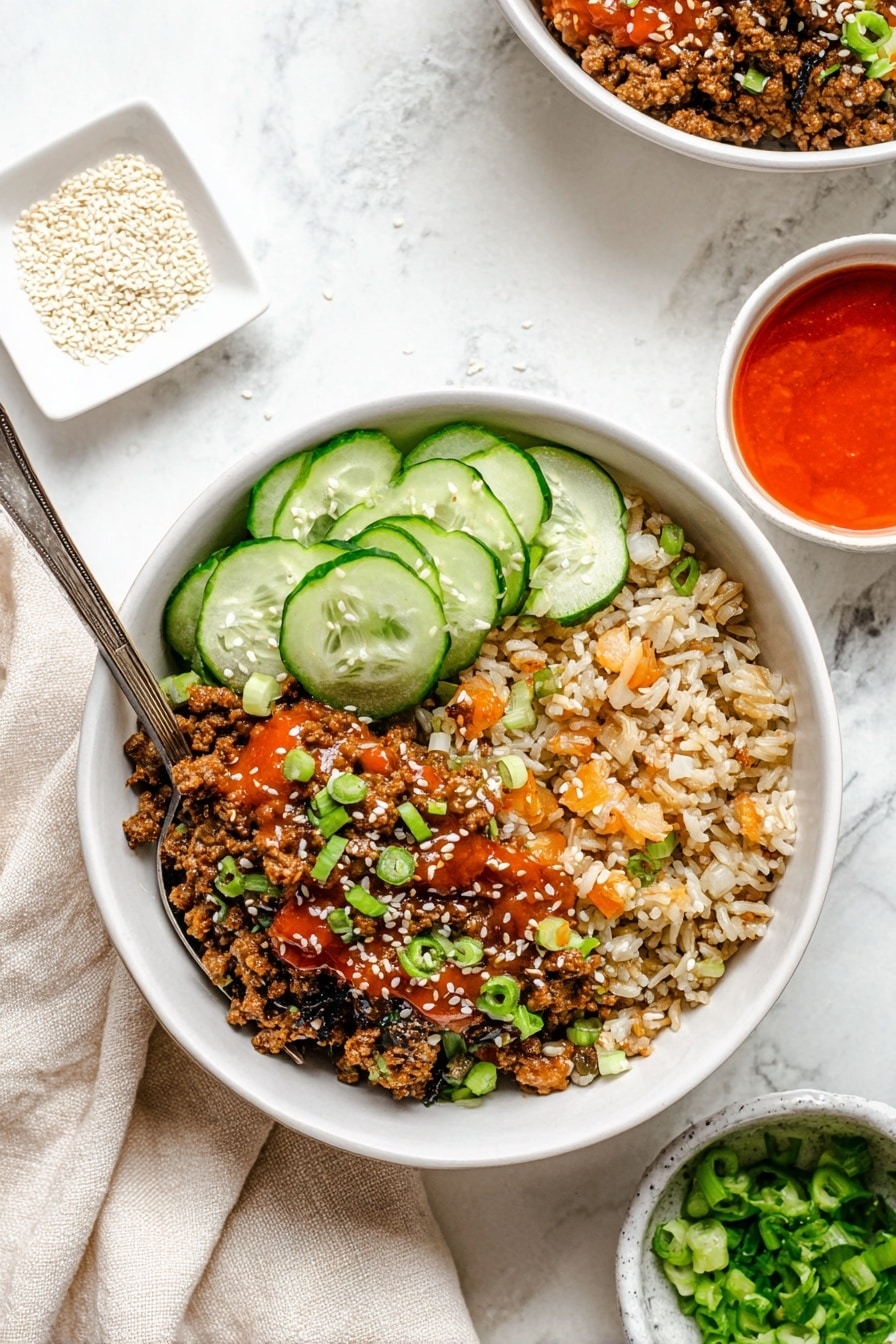
If you’ve been hunting for a quick, flavorful weeknight dinner that feels a bit special but cooks up in no time, you’re going to want to try my Korean Beef Bowls with Gochujang Recipe. I absolutely love how this dish hits all the right notes—savory, sweet, spicy—and wraps it up in one satisfying bowl. When I first made this, my family went crazy for the bold flavors and easy prep, and now it’s a regular in our rotation. Stick around and I’ll show you how to get this dish on your table with minimal fuss and maximum yum.
Why You’ll Love This Recipe
- Fast and Easy: You can have dinner on the table in about 30 minutes, perfect for busy evenings.
- Bold, Balanced Flavors: Sweet, salty, spicy, and savory all come together in the most delicious way.
- Versatile and Customizable: Whether you want to swap proteins or add extra veggies, this recipe plays nice with lots of tweaks.
- Family-Friendly: My kids and husband both love it, and it’s great for picky eaters too.

Ingredients You’ll Need
The beauty of this Korean Beef Bowls with Gochujang Recipe is using simple pantry staples and fresh touches that work beautifully together. I’ll share a couple of my favorite ingredient hacks below to help you pick the best and get the most flavor.
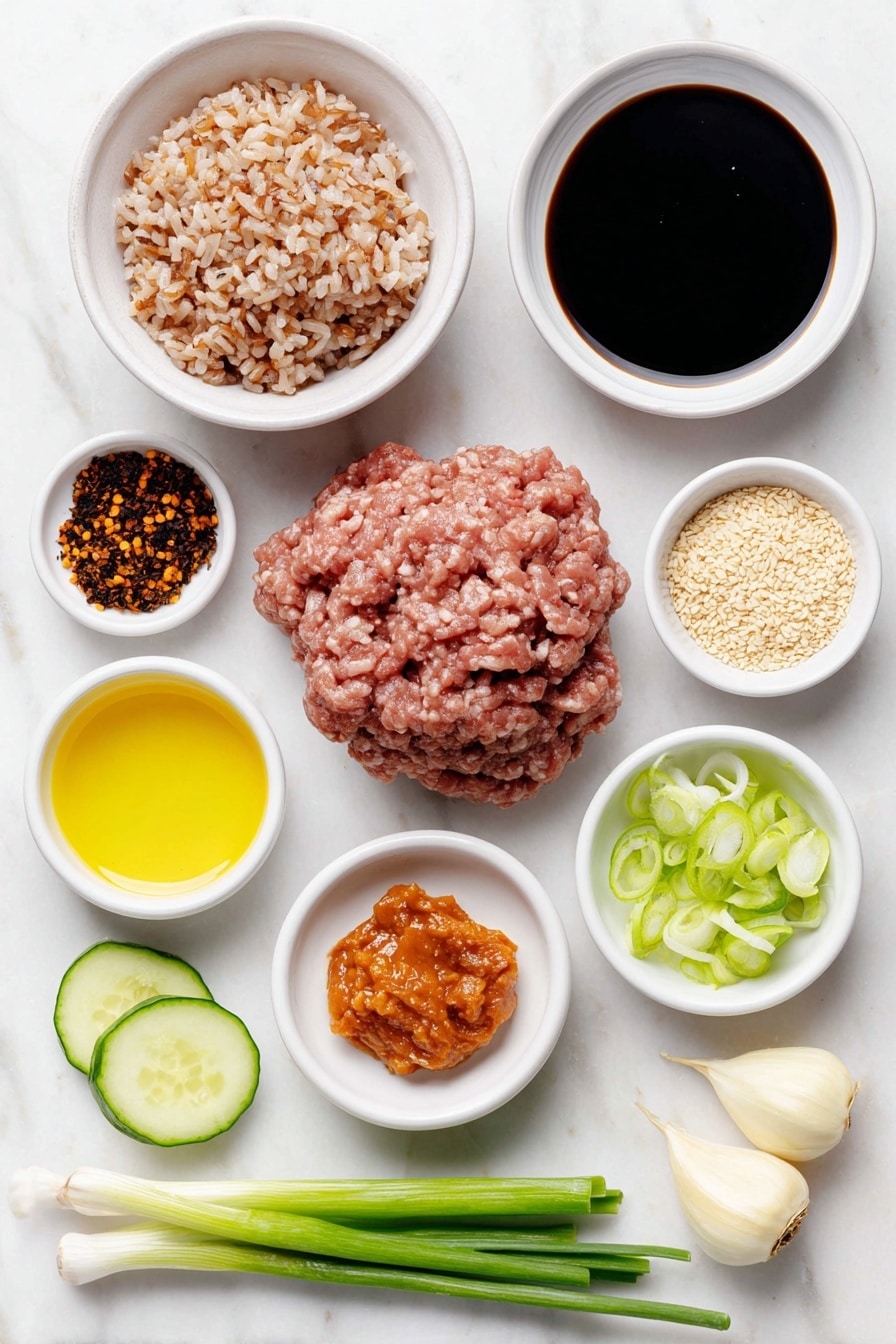
- Low sodium soy sauce: Using low sodium helps control saltiness and keeps the flavor balanced.
- Light brown sugar: Adds just the right amount of sweetness without overpowering the heat or umami.
- Sesame oil: This oil tastes nutty and fragrant, crucial for authentic Korean flavors.
- Crushed red pepper flakes: Adjust to your heat preference; I usually go for a moderate kick.
- Ground beef (93% lean): Lean enough to cook up nicely without too much grease but still tender and flavorful.
- Yellow onion: Adds sweetness and depth when softened with the meat.
- Garlic cloves: Fresh crushed garlic packs a punch you just can’t replicate with powders.
- Fresh grated ginger: Ginger adds brightness and a subtle zing.
- Cooked brown rice: Nutty and wholesome, brown rice pairs perfectly with the saucy beef.
- Sliced cucumber: Provides a refreshing crunch and cool balance to the spicy meat.
- Gochujang sauce: This savory red chili paste is the star—your Korean beef bowls won’t be the same without it!
- Sesame seeds: Toasted if you can, for extra texture and that toasty flavor.
- Sliced scallions: Use both whites and greens for fresh, oniony brightness.
Variations
One of the things I love most about this Korean Beef Bowls with Gochujang Recipe is how easy it is to make it your own. I often play around with the protein or add different extras to keep it exciting depending on what’s in my fridge that week.
- Swap the Protein: I’ve made this with ground turkey and even tofu when I wanted a lighter or vegetarian option—both work great and absorb the sauce beautifully.
- Add Extra Veggies: Toss in mushrooms, shredded carrots, or bok choy for extra color and nutrition; my family doesn’t even notice they’re eating veggies!
- More Heat: If you love spicy food like I do, add fresh sliced jalapeños or a drizzle of extra gochujang for that fiery kick.
- Lettuce Wraps: Instead of bowls, try wrapping the beef in crisp lettuce leaves—for a fun, lighter way to eat this.
How to Make Korean Beef Bowls with Gochujang Recipe
Step 1: Whip Up Your Sauce First
Start by mixing the soy sauce, some water, brown sugar, sesame oil, and crushed red pepper flakes in a small bowl. This sauce is where the magic happens—sweet meets spicy with just a touch of nuttiness. Making it first means you’re ready to add it as soon as the beef is cooked, locking in that bold flavor.
Step 2: Brown the Beef Perfectly
Heat a large nonstick skillet over high heat, give it a quick spray of cooking oil, and add your ground beef. Use a wooden spoon to break it up as it cooks so you get those nice small chunks that coat with the sauce evenly. This takes about 5 minutes—don’t rush, you want it nicely browned but not dried out.
Step 3: Aromatics Take the Stage
Once the beef is mostly cooked, toss in the chopped onion, crushed garlic, and freshly grated ginger. Cook just until fragrant—usually about a minute. This layering of flavor is what transforms the dish from simple to spectacular.
Step 4: Simmer to Infuse Flavors
Pour your prepared sauce into the beef mixture, cover the pan, and turn the heat down to low. Let it simmer gently for about 10 minutes. This step is key—I discovered it really deepens the flavors and keeps the beef nice and tender.
Step 5: Assemble Your Bowls Like a Pro
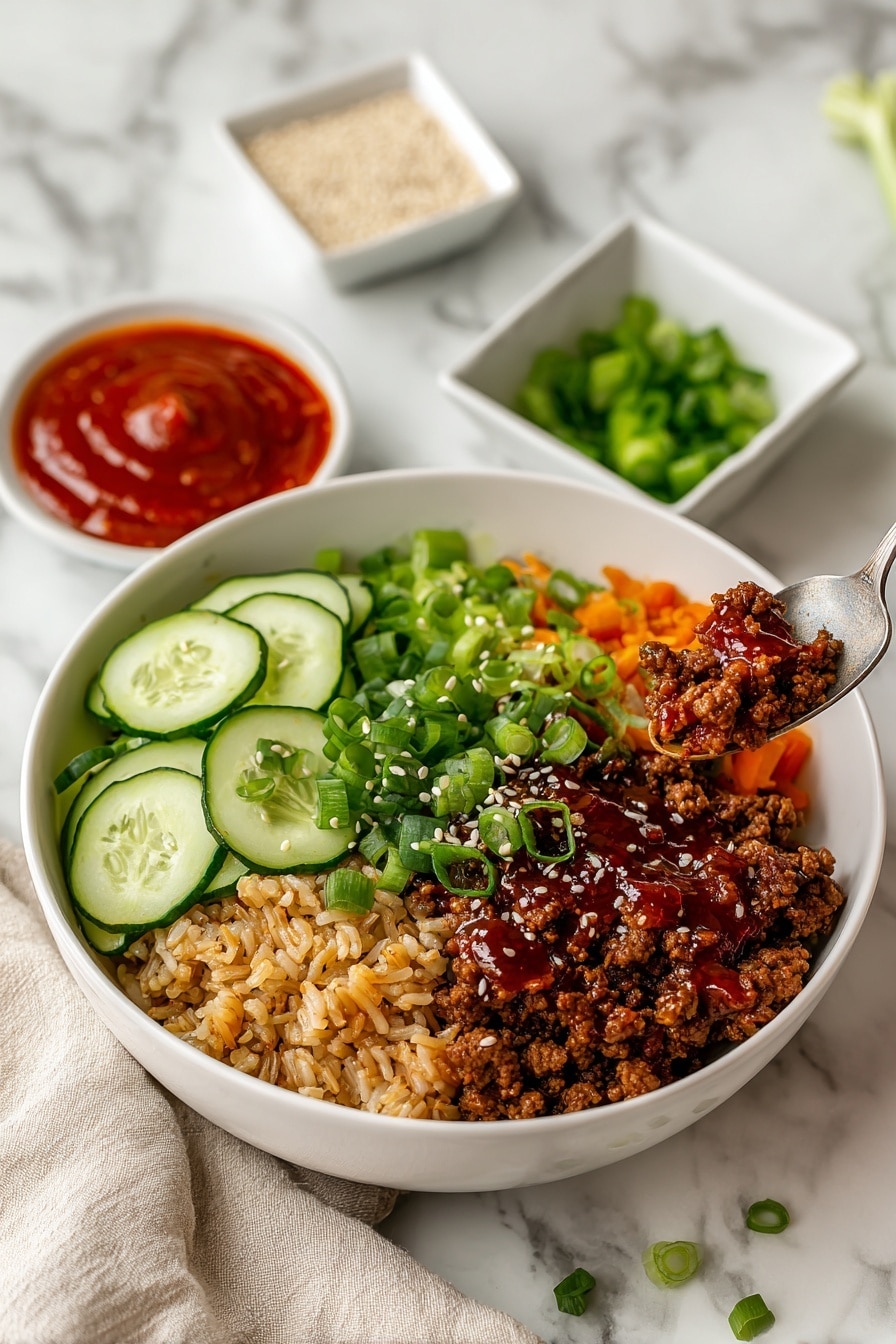
To build your bowls, start with a base of warm brown rice. I usually scoop about three-quarters of a cup per bowl. Then pile on the beef, add fresh cucumber slices for crunch, a generous dollop of gochujang for that spicy, savory punch, sprinkle with sesame seeds, and finish with sliced scallions. It’s colorful, textured, and bursting with flavor.
Pro Tips for Making Korean Beef Bowls with Gochujang Recipe
- Don’t Skip the Simmer: Letting the beef simmer in the sauce really melds the flavors and softens the meat perfectly.
- Fresh Ginger is a Game Changer: I learned that grated fresh ginger packs more zing than powdered and brightens the whole dish.
- Toast Sesame Seeds: Give them a quick toast in a dry pan to boost their nuttiness before adding to the bowls.
- Use Lean Beef but Watch for Crumb Size: Breaking the meat into bite-sized crumbles helps the sauce cling and keeps each forkful perfect.
How to Serve Korean Beef Bowls with Gochujang Recipe
Garnishes
I’m a huge fan of fresh garnishes here—it brings brightness and texture to every bite. I always add extra scallion slices and toasted sesame seeds on top. Sometimes I’ll sprinkle on some thinly sliced fresh jalapeños if I’m feeling spicy, and a little squeeze of lime juice can elevate the flavors in a subtle but delightful way.
Side Dishes
Pairing this meal with some simple sides makes it feel like a real Korean feast. I love serving it alongside quick kimchi or a crisp Asian cucumber salad. If you want to keep it simple, steamed edamame or even some quick sautéed bok choy balances it out perfectly.
Creative Ways to Present
For dinner parties or when I want to impress, I sometimes make mini lettuce cups with the beef filling—guests love assembling their own bites. Or, layer the beef over a bed of cauliflower rice and top with a soft fried egg for brunch-style Korean beef bowls. Presentation doesn’t have to be complicated but can make a big impact!
Make Ahead and Storage
Storing Leftovers
I usually store leftover beef and rice separately in airtight containers in the fridge for up to 3 days. Keeping them separate helps maintain the texture of the rice and keeps the beef from getting soggy. Just reheat them individually before assembling your bowls again.
Freezing
This Korean Beef Bowls with Gochujang Recipe freezes well, especially the cooked beef mixture. I freeze portions in freezer-safe bags or containers for up to 2 months. When you’re ready to eat, thaw overnight in the fridge and reheat gently on the stove or microwave.
Reheating
To bring leftovers back to life, I reheat the beef in a skillet over medium heat, adding a splash of water if needed to loosen the sauce. Warm the rice separately to keep it fluffy. This method keeps the flavors fresh and the texture just right.
FAQs
-
Can I use ground chicken or turkey instead of beef?
Absolutely! Lean ground turkey or chicken works really well in this Korean Beef Bowls with Gochujang Recipe. The sauce clings nicely to those meats, and you can expect a lighter but still flavorful dish. Just adjust cooking time slightly if needed, as poultry can dry out faster than beef.
-
Is Gochujang Sauce spicy?
Yes, gochujang generally has a spicy kick but it’s also sweet and savory. If you’re sensitive to heat, start with a smaller amount and add more to taste. It’s what gives the bowls their signature flavor and a gentle warmth that warms you up without overwhelming.
-
How do I make this recipe gluten-free?
To keep this Korean Beef Bowls with Gochujang Recipe gluten-free, make sure to use gluten-free soy sauce (like tamari) and check that your gochujang paste is labeled gluten-free. Many brands offer gluten-free options nowadays!
-
Can I prep parts of this recipe ahead of time?
You sure can! I often cook the beef mixture ahead and refrigerate or freeze it. The rice can also be cooked in advance. When you’re ready to eat, just warm everything up and assemble the bowls fresh with toppings and gochujang.
Final Thoughts
This Korean Beef Bowls with Gochujang Recipe has truly become one of those go-to meals I trust to deliver on flavor and ease, every single time. I love sharing it because it feels like a warm hug in a bowl—spicy, sweet, satisfying, and simple enough for busy weeknights. If you want a crowd-pleaser that doesn’t demand hours in the kitchen, give this a try and see why it’s a favorite in my kitchen. Can’t wait to hear what you think!
Print
Korean Beef Bowls with Gochujang Recipe
- Prep Time: 15 minutes
- Cook Time: 15 minutes
- Total Time: 30 minutes
- Yield: 4 servings
- Category: Main Dish
- Method: Stovetop
- Cuisine: Korean
Description
This Korean Beef Bowl recipe is a delicious and easy-to-make dish featuring flavorful ground beef simmered in a savory, slightly sweet sauce with a touch of spice, served over brown rice and topped with fresh cucumbers, gochujang sauce, sesame seeds, and scallions. Perfect for a quick weeknight dinner, it combines traditional Korean flavors with simple ingredients and minimal prep time.
Ingredients
Sauce
- 1/4 cup low sodium soy sauce*
- 2 teaspoons light brown sugar
- 1 teaspoon sesame oil
- 1/2 teaspoon crushed red pepper flakes
- 2 tablespoons water
Beef Mixture
- 1 pound 93% lean ground beef
- 1/4 cup chopped yellow onion
- 2 garlic cloves (crushed)
- 1 teaspoon fresh grated ginger
- Cooking spray
To Serve
- 3 cups cooked brown rice
- 1 small sliced cucumber (skin on)
- 2 tablespoons Gochujang Sauce (or more if desired*)
- 1/2 tablespoon sesame seeds
- 2 sliced scallions (white and green parts)
Instructions
- Prepare the Sauce: In a small bowl, combine the low sodium soy sauce, 2 tablespoons water, light brown sugar, sesame oil, and crushed red pepper flakes. Mix well until the sugar dissolves and the sauce is well blended.
- Cook the Beef: Heat a large deep nonstick skillet over high heat. Spray the skillet with cooking spray, then add the ground beef. Cook the beef while breaking it up with a wooden spoon until fully browned and no longer pink, about 5 minutes.
- Add Aromatics: Add the chopped yellow onion, crushed garlic cloves, and freshly grated ginger to the skillet with the beef. Stir and cook the mixture for 1 minute until fragrant.
- Simmer with Sauce: Pour the prepared sauce over the beef and onion mixture. Cover the skillet with a lid and reduce the heat to low. Let it simmer gently for 10 minutes to allow the flavors to meld together.
- Assemble the Bowls: Divide 3/4 cup of cooked brown rice into each of four bowls. Top each with approximately 2/3 cup of the savory Korean beef mixture. Garnish with sliced cucumbers, a dollop of gochujang sauce, a sprinkle of sesame seeds, and sliced scallions (both white and green parts).
Notes
- Check labels for gluten-free soy sauce if needed.
- Protein Variations: Swap ground beef for lean ground turkey, pork, chicken, or for vegetarian options, use crumbled tofu, beyond beef, or impossible burger.
- Extra Protein: Add a fried egg on top of each bowl for more protein.
- Vegetable Add-ins: Sauteed mushrooms, bok choy, matchstick carrots, or edamame can be added to the beef mixture or served on the side.
- Pickled Veggies: Add pickled onions, cucumbers, carrots, or kimchi for extra flavor and texture.
- Spice it Up: Garnish with sliced fresh jalapeños for additional heat.
- Rice Alternatives: Use cauliflower rice or vegetable rice for a lower carbohydrate option.
- Lettuce Wraps: Instead of serving over rice, use the beef mixture as a filling for lettuce wraps.
Nutrition
- Serving Size: 1 bowl (approximately)
- Calories: 450 kcal
- Sugar: 5 g
- Sodium: 550 mg
- Fat: 18 g
- Saturated Fat: 6 g
- Unsaturated Fat: 10 g
- Trans Fat: 0 g
- Carbohydrates: 42 g
- Fiber: 5 g
- Protein: 30 g
- Cholesterol: 75 mg


Your email address will not be published. Required fields are marked *