

If you’re anything like me and adore soft, fluffy cookies with a fun and adorable twist, then you’re going to love this Cream Cheese Cookie Polar Bears Recipe. These cookies don’t just taste amazing—they’re also ridiculously cute! I first tried making these for a winter party, and my family went crazy for them. The cream cheese keeps the cookies super soft, and adding that playful polar bear design means they’re not only a treat for your taste buds but also for your eyes. Keep reading because I’m excited to share all my tips and tricks to help you nail these polar bear cookies perfectly!
Why You’ll Love This Recipe
- Soft & Fluffy Texture: Thanks to cream cheese in the dough, these cookies stay perfectly tender and melt in your mouth.
- Adorable Presentation: The polar bear shapes and cute decorations turn ordinary cookies into delightful showstoppers.
- Easy to Customize: You can personalize the decorating with different sprinkles or frosting colors to fit any occasion or mood.
- Great Make-Ahead Option: The dough and cookies freeze beautifully, making them perfect for planning ahead.

Ingredients You’ll Need
Every ingredient in the Cream Cheese Cookie Polar Bears Recipe plays an important role in getting that perfect soft, flavorful bite with the iconic polar bear look. Let me walk you through the essentials you’ll want to have on hand and why they matter.
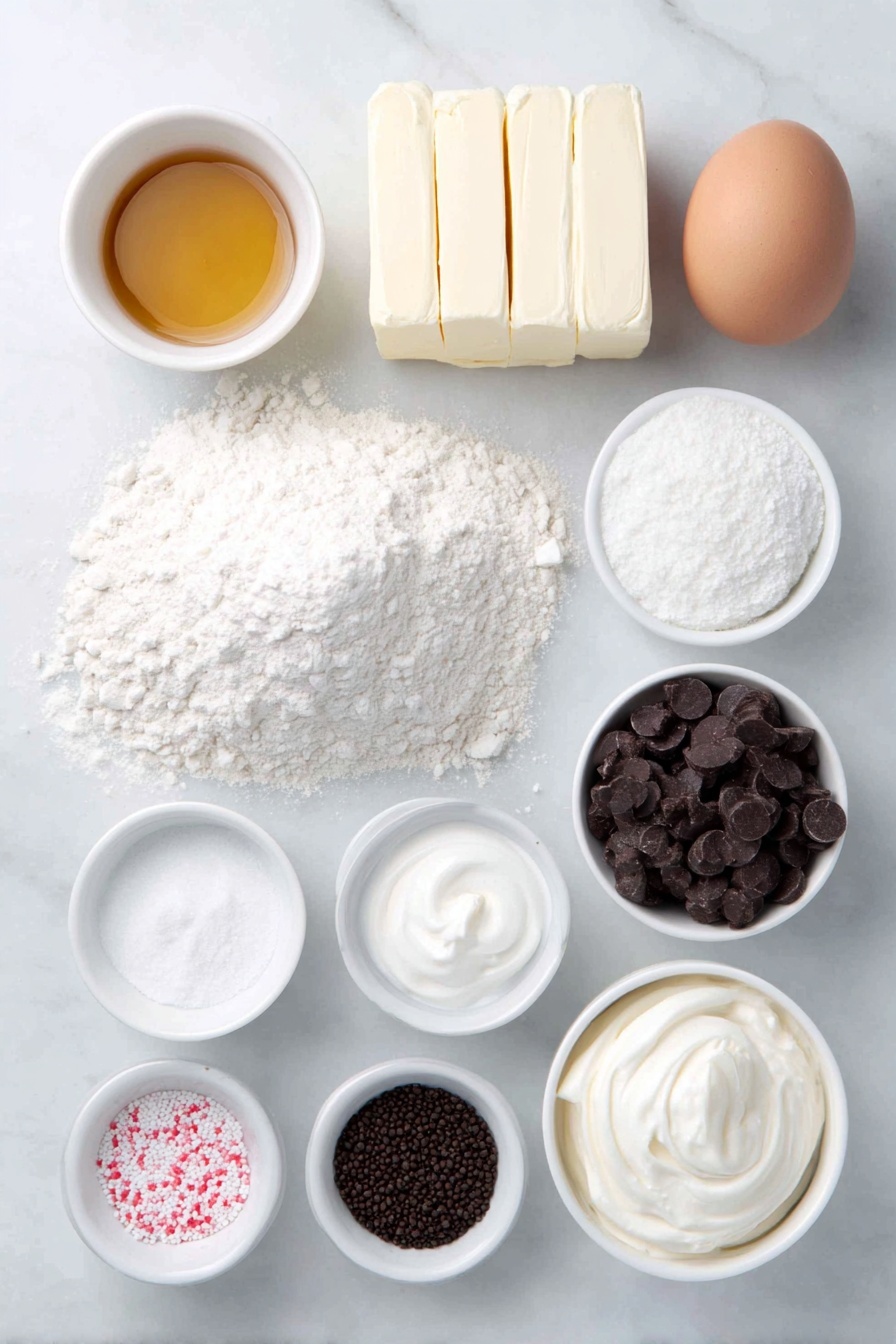
- Unsalted Butter: Using unsalted butter lets you control the saltiness in the dough perfectly; make sure it’s room temperature for smooth mixing.
- Full Fat Cream Cheese: This is the secret ingredient that keeps the cookies tender and adds subtle richness.
- Granulated Sugar: It adds the right sweetness and aids in the soft, creamier texture.
- Egg: Helps bind the dough while keeping it soft.
- Vanilla Extract or Vanilla Bean Paste: The vanilla gives these cookies that warm, comforting aroma that makes them irresistible.
- All-Purpose Flour: The base for your dough that holds everything together without making it tough.
- Cornstarch: This ingredient lightens the texture, helping create that soft-batch feel.
- Baking Powder: Gives your cookies a gentle lift without puffing them up too much.
- Fine Salt: Just a pinch to balance sweetness and enhance flavors.
- Buttercream Frosting Ingredients: Butter, powdered sugar, vanilla, salt, and heavy cream combine into a silky frosting that’s perfect for decorating.
- Decorations: Coarse sanding sugar for sparkle, large dark chocolate chips for noses, and various colored sprinkles for eyes and ears create that charming polar bear face.
Variations
I love how versatile this Cream Cheese Cookie Polar Bears Recipe is. Over time, I’ve tweaked it in a few ways to suit different occasions or dietary needs—and honestly, you can get creative too! Don’t hesitate to adjust it to make it truly yours.
- Flavor Twist: I’ve tried adding a bit of lemon zest to the dough for a fresh citrus hint—my family was surprised and loved it!
- Chocolate Variation: Using mini white chocolate chips instead of dark for the bear’s nose and mixing cocoa powder into the dough for chocolate polar bears works beautifully.
- Gluten-Free: Substitute all-purpose flour for a 1:1 gluten-free baking mix—you might need to adjust chilling time slightly for best results.
- Vegan Adaptation: Swap butter and cream cheese for vegan alternatives and an egg replacer; although I haven’t personally tried it yet, many friends found good success.
How to Make Cream Cheese Cookie Polar Bears Recipe
Step 1: Cream the Butter and Cream Cheese Just Right
You’ll want to start by beating the butter and cream cheese together on medium speed until lovely and smooth. I love this step because it’s where the magic begins—getting a light, creamy base helps make these cookies extra soft and fluffy. Don’t rush this part; a couple of minutes until it’s smooth and free of lumps is perfect. It’ll help you avoid that gritty texture sometimes caused by under-creaming.
Step 2: Sweeten and Flavor
Next up, add the granulated sugar and whip it on medium-high speed for about two minutes until the mixture lightens in color. This aerates the dough, which is key for softness. Then add your egg and vanilla extract; beat just long enough to combine. Over-mixing here can make the dough tough, so keep it gentle.
Step 3: Mix Dry Ingredients and Combine
Whisk the flour, cornstarch, baking powder, and salt together in a separate bowl—this ensures even distribution. Add this dry mix into your wet batter in two parts, mixing just until everything comes together. Scrape the bowl sides well between additions. You’ll notice the dough feels sticky—that’s good! Resist the urge to overwork it, which can make your cookies tough instead of pillow-soft.
Step 4: Chill and Shape Your Snowy Bears
Divide your sticky dough into two flattened rectangles, wrap them tightly in plastic, and chill. I’ve found that 2 hours in the fridge or 30 minutes in the freezer works great depending on your timeline. When it’s time to shape, roll out the dough on lightly floured plastic wrap (trust me, this trick avoids messy counters). Cut out circles for the bear faces, and smaller circles for ears. A little trick I use: trimming a small notch on each ear circle helps them sit snugly against the face. Chill your shaped cookies again before baking so they hold their shape beautifully in the oven.
Step 5: Bake to Soft Perfection
Bake your cookies at 350°F (175°C) for 12-14 minutes. The key is to catch them right before the edges start to brown to keep that soft texture. I usually bake one sheet at a time on the top rack for even heat. After baking, let the cookies cool partially on the sheet then transfer to a wire rack. This slow cooling helps keep them tender. Pro tip—save your scraps, knead gently, re-chill, and roll out again to get every bit of dough used!
Step 6: Whip Up That Dreamy Buttercream
For the frosting, start by beating softened butter on medium speed until smooth. Then add vanilla and salt, followed by the powdered sugar and heavy cream gradually. Scrape your bowl frequently to avoid over or under mixing. This frosting is luscious but pipes nicely, which is perfect when decorating your sweet polar bears. Adjust the cream or sugar to get the ideal spreading texture—you’ll find your perfect balance in no time.
Step 7: Decorate Your Polar Bears with Love
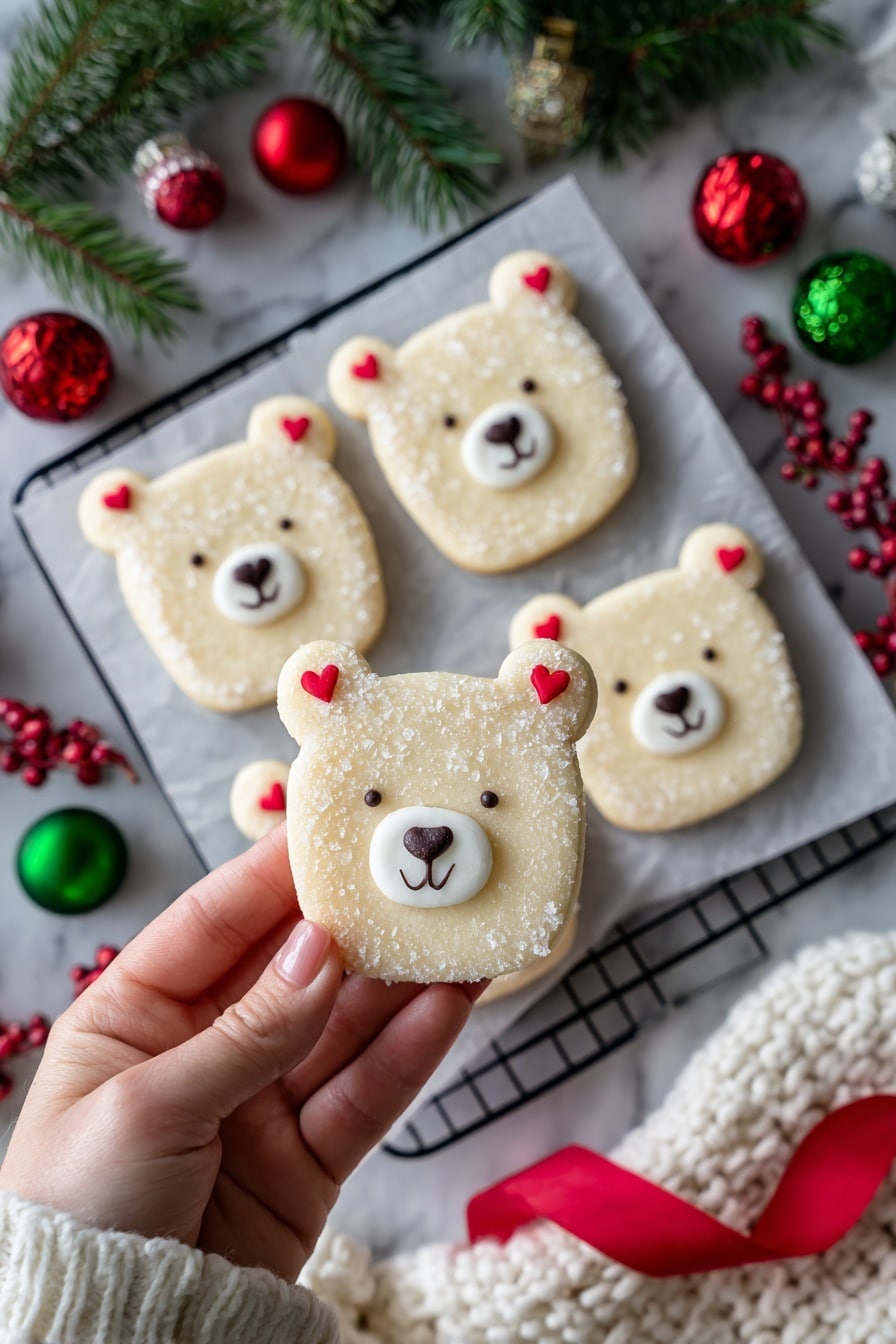
Once cookies are completely cooled, gently pipe a thin layer of frosting over the top and immediately press them into a bowl of sanding sugar. This gives them a frosty, snowy look—I absolutely love how this turns out! Then use a small oval of frosting to add the muzzle, pressing in a chocolate chip nose, black sprinkle eyes, and pink or red sprinkles for ears. You really can’t mess this up—feel free to improvise with what you have. Every bear ends up uniquely adorable!
Pro Tips for Making Cream Cheese Cookie Polar Bears Recipe
- Room Temperature Ingredients: Make sure your butter, cream cheese, and egg are all at room temp before starting—it makes creaming easier and dough smoother.
- Avoid Over-Mixing: Mix flour just until combined to keep cookies from becoming tough; over-working the dough develops gluten.
- Chill Twice: I don’t skip chilling the dough before rolling and chilling cut cookies—it’s key to preventing spreading and preserving that bear shape.
- Decorate on Fully Cooled Cookies: Frosting melts easily on warm cookies; waiting helps maintain your design crisp and neat.
How to Serve Cream Cheese Cookie Polar Bears Recipe
Garnishes
I’m a huge fan of keeping garnishes simple yet eye-catching. The coarse sanding sugar adds a wintry sparkle that reminds me of freshly fallen snow, which is perfect for polar bears. I stick with classic dark chocolate chips for noses because they contrast beautifully with the white and add a rich flavor punch. For eyes and ears, I often use colored sprinkles I find in the baking aisle, but don’t hesitate to get creative—sometimes edible glitter or even tiny fondant shapes take them to the next level.
Side Dishes
These cookies shine as a cozy dessert or afternoon treat with a hot cup of cocoa or vanilla chai tea. I love pairing the polar bears with simple fresh fruit on the side—berries especially complement the sweetness well. If it’s a party, set out some milk or flavored creamers to keep everyone happy and dipping!
Creative Ways to Present
For holiday gatherings or kids’ parties, I’ve arranged these polar bear cookies on a platter lined with crushed peppermint or coconut “snow.” You can stack them like little bear towers using parchment layers in between. Another fun way is turning the cookie faces into mini cupcakes foundations and piping extra frosting decorations on top for a 3D effect—kids think it’s pure magic!
Make Ahead and Storage
Storing Leftovers
One of the things I really appreciate about the Cream Cheese Cookie Polar Bears Recipe is how well these cookies hold up. Store any frosted cookies in an airtight container at room temperature for up to 2 days, or refrigerate them for up to 5 days. If stacking, I place parchment paper between layers to keep the delicate frosting from smushing. My experience shows chilled buttercream frosting firms nicely but remains soft, so be gentle when handling.
Freezing
I often freeze both the dough and baked cookies. Wrap the dough well in plastic and store in the freezer for up to one month. Let it thaw overnight in the fridge before rolling and baking. For baked cookies, freeze unfrosted for up to a month in an airtight container. I recommend frosting after thawing to keep things fresh and look fantastic.
Reheating
Since these cookies taste best soft, I usually just let frozen baked cookies thaw at room temperature for a couple of hours before eating. If you want them a little warm, pop them in a 300°F oven for 5 minutes—just be careful not to melt the frosting if decorated. Leftovers can also be enjoyed cold straight from the fridge!
FAQs
-
Can I make the Cream Cheese Cookie Polar Bears Recipe without cream cheese?
While cream cheese is key to the soft texture in this recipe, you could try substituting with an equal amount of sour cream or Greek yogurt, although the texture and flavor will be a bit different. For best results, stick to cream cheese since it provides richness and tenderness.
-
How do I prevent my cookies from spreading too much?
Chilling the dough twice—both before cutting and after shaping—helps the cookies hold their shape. Also, make sure to avoid over-soft butter or over-mixing the dough, as this can cause excess spreading during baking.
-
Can I use different decorations for the polar bear faces?
Absolutely! Sprinkles, fondant, edible markers, or even tiny candies work well. Feel free to get creative based on what you have—it’s part of the fun making these cookies truly your own!
-
How long does the buttercream frosting stay fresh on the cookies?
When stored properly in an airtight container at room temperature, the buttercream frosting will remain fresh for up to 2 days. Refrigerated frosted cookies can last about 5 days but may need to come to room temperature before serving for the best texture.
-
Can I halve or double the recipe?
You can definitely halve the recipe for a smaller batch. When doubling, I recommend doing it only if you have a stand mixer with a large capacity since doubling may be tricky to mix thoroughly in smaller equipment.
Final Thoughts
Making the Cream Cheese Cookie Polar Bears Recipe is one of those joyful baking projects that feels as special as it tastes. I love how these cookies bring smiles to my family’s faces—and they’re never too fancy or difficult to tackle. Whether you’re looking for a unique holiday treat, a fun dessert to bake with kids, or just a way to brighten any day, these polar bear cookies deliver big on charm and flavor. Trust me: once you try them, they’ll become a beloved classic in your kitchen too. So roll up your sleeves, get cozy, and let’s bake some smiles together!
Print
Cream Cheese Cookie Polar Bears Recipe
- Prep Time: 20 minutes
- Cook Time: 14 minutes
- Total Time: 2 hours 4 minutes
- Yield: 30 cookies
- Category: Dessert
- Method: Baking
- Cuisine: American
Description
Delightful Soft-Batch Cream Cheese Polar Bear Cookies featuring buttery, fluffy cookies topped with creamy vanilla buttercream and decorated with sanding sugar and chocolate chips for a charming polar bear design. These cookies are perfect for festive occasions and fun baking projects with a tender texture and easy-to-follow preparation.
Ingredients
Soft-Batch Cream Cheese Cookies
- 3/4 cup (1 1/2 sticks) unsalted butter, room temperature (170g)
- 1/2 cup or 4 oz. full fat cream cheese, room temperature (113g)
- 1 1/2 cups granulated sugar (300g)
- 1 large egg, room temperature (56g)
- 2 tsp vanilla extract or vanilla bean paste (8g)
- 3 cups all-purpose flour (375g)
- 1 Tbsp cornstarch (8g)
- 1/2 tsp baking powder (2g)
- 1/2 tsp fine salt (3g)
Buttercream Frosting for Cookies
- 1 cup unsalted butter, room temperature (226g)
- 1 Tbsp vanilla extract or vanilla bean paste (12g)
- 1/2 tsp fine salt (3g)
- 3 1/2 cups powdered sugar (454g or 1 lb. box)
- 1/4 cup heavy whipping cream, room temperature (60g)
Decorations
- 1 cup coarse sanding sugar
- 30 large chocolate chips (preferably Ghirardelli dark chocolate chips)
- Round black sprinkles
- Round red or pink sprinkles
Instructions
- Prepare the Cookie Dough: In a large bowl or stand mixer with a whisk attachment, beat 3/4 cup unsalted butter and 1/2 cup cream cheese on medium speed until smooth. Add 1 1/2 cups granulated sugar and mix on medium-high speed for a couple of minutes until the mixture lightens in color. Incorporate 1 large egg and 2 tsp vanilla extract by mixing on medium speed until combined.
- Mix Dry Ingredients: In a separate bowl, whisk together 3 cups all-purpose flour, 1 Tbsp cornstarch, 1/2 tsp baking powder, and 1/2 tsp fine salt.
- Combine Dry and Wet Ingredients: Add the flour mixture to the butter mixture in two batches, mixing on low speed just until incorporated. Scrape the bowl sides with a rubber spatula between additions. The dough will be sticky.
- Chill Dough: Divide the dough into two portions, flatten each into a 1/2 inch thick rectangle, wrap in plastic wrap, and chill for 2 hours in the fridge or 30 minutes in the freezer. For overnight chilling, allow dough to sit 10 minutes at room temperature before rolling.
- Preheat Oven and Prepare Sheets: Preheat oven to 350°F (175°C) roughly 30 minutes before baking. Line two large baking sheets with parchment paper or silicone mats.
- Roll and Cut Cookies: Remove one dough portion, unwrap, and place plastic wrap flat on the counter. Lightly flour the dough and rolling pin. Roll dough to 1/3 inch thickness. Cut 2 1/2 inch circles using a cookie cutter or round glass. Brush off excess flour and place circles on baking sheets about 1 inch apart.
- Cut Ears: Use a 3/4-inch cutter or small bottle cap to cut out smaller circles from remaining dough for ears. Cut a small notch from each small circle to sit flush against larger cookies. Attach two ears to each large circle by gently pressing dough edges together.
- Chill Cut Cookies: Chill the assembled cookies for 15 minutes in the fridge or 5 minutes in the freezer to help retain shape during baking.
- Bake Cookies: Bake one sheet at a time for 12-14 minutes on the top rack, watching carefully to avoid browning edges. Remove before edges brown.
- Cool Cookies: Let baked cookies cool on the pan for 15 minutes, then transfer to a wire rack to cool completely.
- Recycle Dough Scraps: Knead leftover dough scraps, rewrap in plastic, and chill in the fridge while continuing to bake the next batch.
- Repeat for Remaining Dough: Repeat rolling, cutting, assembling ears, chilling, baking, and cooling for the second dough portion and scraps.
- Make Buttercream Frosting: Using a paddle attachment, beat 1 cup unsalted butter on medium for 30 seconds until smooth. Add 1 Tbsp vanilla extract and 1/2 tsp salt; mix on low.
- Add Sugar and Cream: Gradually mix in 3 1/2 cups powdered sugar and 1/4 cup heavy cream, scraping bowl sides as needed. Beat on low until smooth. Adjust consistency by adding cream or powdered sugar as needed.
- Prepare Piping Bag: Transfer frosting to a large piping bag fitted with a medium round tip or with a 1 cm opening cut in the bag’s end. Seal the top with a rubber band. Set aside.
- Decorate Cookies: Pour 1 cup white sanding sugar into a small bowl. Once cookies are cooled, pipe a thin frosting layer on one cookie, then gently press the cookie into the sanding sugar to cover the top evenly. Pipe a small oval near the bottom of the cookie for the muzzle. Press one large chocolate chip on top as the nose. Use black sprinkles for eyes and red or pink sprinkles for ears. Feel free to improvise with other decorations or fondant.
- Serving and Storage: Repeat decorating for all cookies, enjoy immediately or store as described in notes.
Notes
- This recipe yields about 30 cookies, each approximately 2 1/2 inches in diameter. Baking time and yield may vary with different cutter sizes.
- You can halve the recipe; to do so, use half of a scrambled egg for the dough. Avoid doubling unless equipped with a commercial-size mixer (8 qt.).
- Store frosted cookies in an airtight container at room temperature for up to 2 days, in the fridge up to 5 days, or freeze up to 1 month. Chill and separate with parchment to stack safely.
- Cookie dough freezes well up to 1 month; thaw overnight in fridge before rolling and baking.
- Baked but unfrosted cookies freeze well for up to a month in airtight containers. Decorate after thawing.
- Chill dough thoroughly to prevent spreading and encourage soft, fluffy texture.
- Do not overmix the dough to avoid tough, dense cookies.
- Roll dough evenly to 1/3 inch thickness for uniform baking.
- Underbake cookies slightly to maintain softness; they continue cooking a bit after removal from oven.
- Use a light dusting of flour on the dough and rolling pin to prevent sticking.
- Customize the polar bear decoration creatively with available sprinkles or fondant.
Nutrition
- Serving Size: 1 cookie
- Calories: 180 kcal
- Sugar: 20 g
- Sodium: 80 mg
- Fat: 9 g
- Saturated Fat: 5.5 g
- Unsaturated Fat: 3 g
- Trans Fat: 0 g
- Carbohydrates: 24 g
- Fiber: 0.3 g
- Protein: 2 g
- Cholesterol: 35 mg


Your email address will not be published. Required fields are marked *