
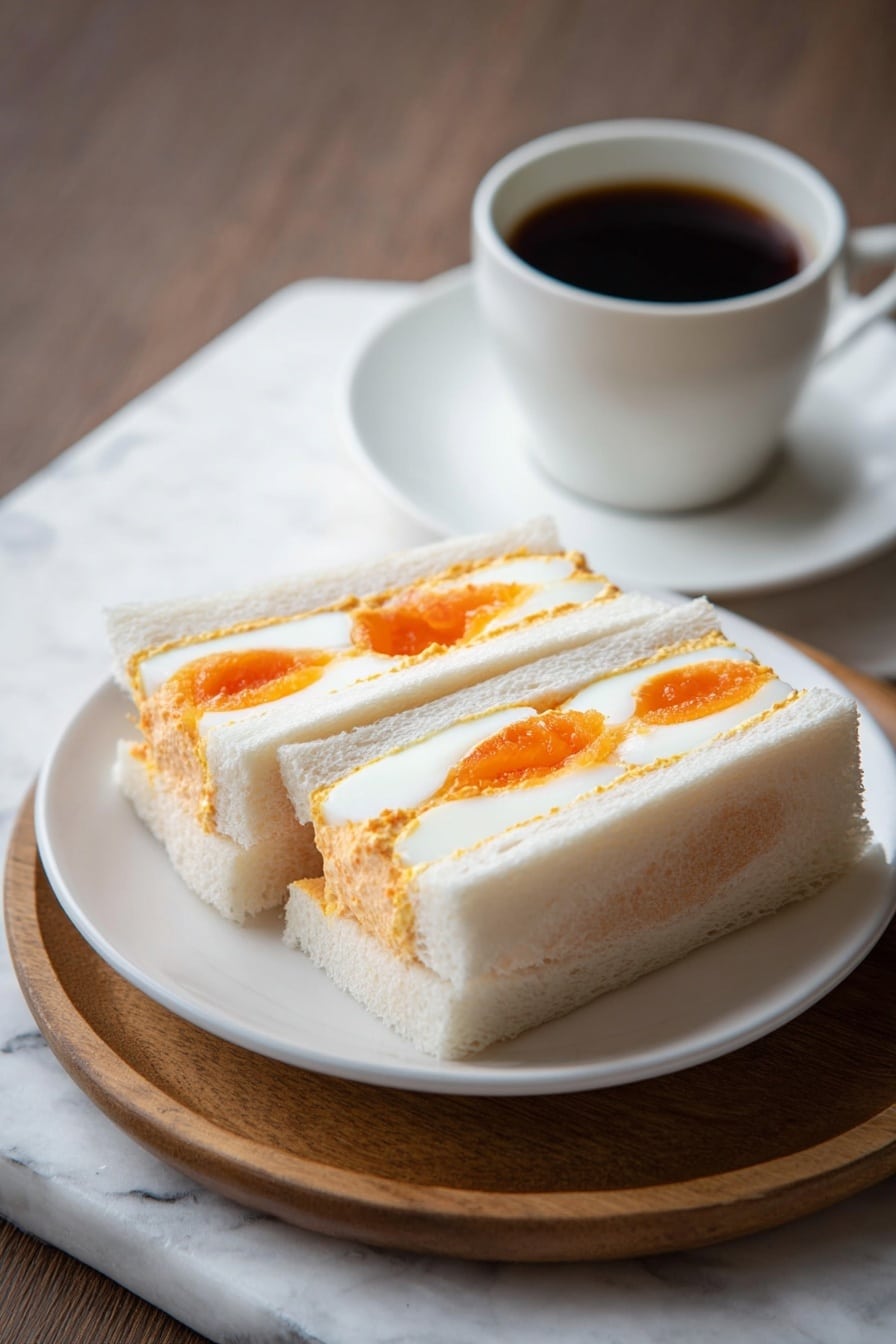
If you love comfort food that’s simple yet so satisfying, you’re going to adore this Japanese Egg Sandwich (Tamago Sando) Recipe. It’s not your everyday sandwich—it’s creamy, fluffy, and just the right touch of sweet and savory, making it absolutely irresistible. When I first tried it, I couldn’t believe how something so straightforward could taste this rich and perfectly balanced. Stick around, and I’ll share everything so you can nail this at home effortlessly!
Why You’ll Love This Recipe
- Classic and comforting: This sandwich hits that nostalgic, cozy spot with velvety egg filling and soft bread.
- Simple ingredients, big flavor: Just a few pantry staples come together for a taste that feels way fancier than it is.
- Quick and fuss-free: From start to finish, you’ll have this ready in about 20 minutes—perfect for any mealtime.
- Customizable to your liking: Whether you prefer hard-boiled or soft, you can tweak it to fit your cravings.

Ingredients You’ll Need
Each ingredient in this Japanese Egg Sandwich (Tamago Sando) Recipe plays a key role in delivering that pillowy texture and that perfect balance of sweet and savory. I love using shokupan bread for its fluffiness—it really makes the sandwich just melt in your mouth. If you can’t find Kewpie mayo, any good quality Japanese-style mayonnaise will do, but trust me, the Kewpie version brings a delicate umami that’s simply unbeatable.
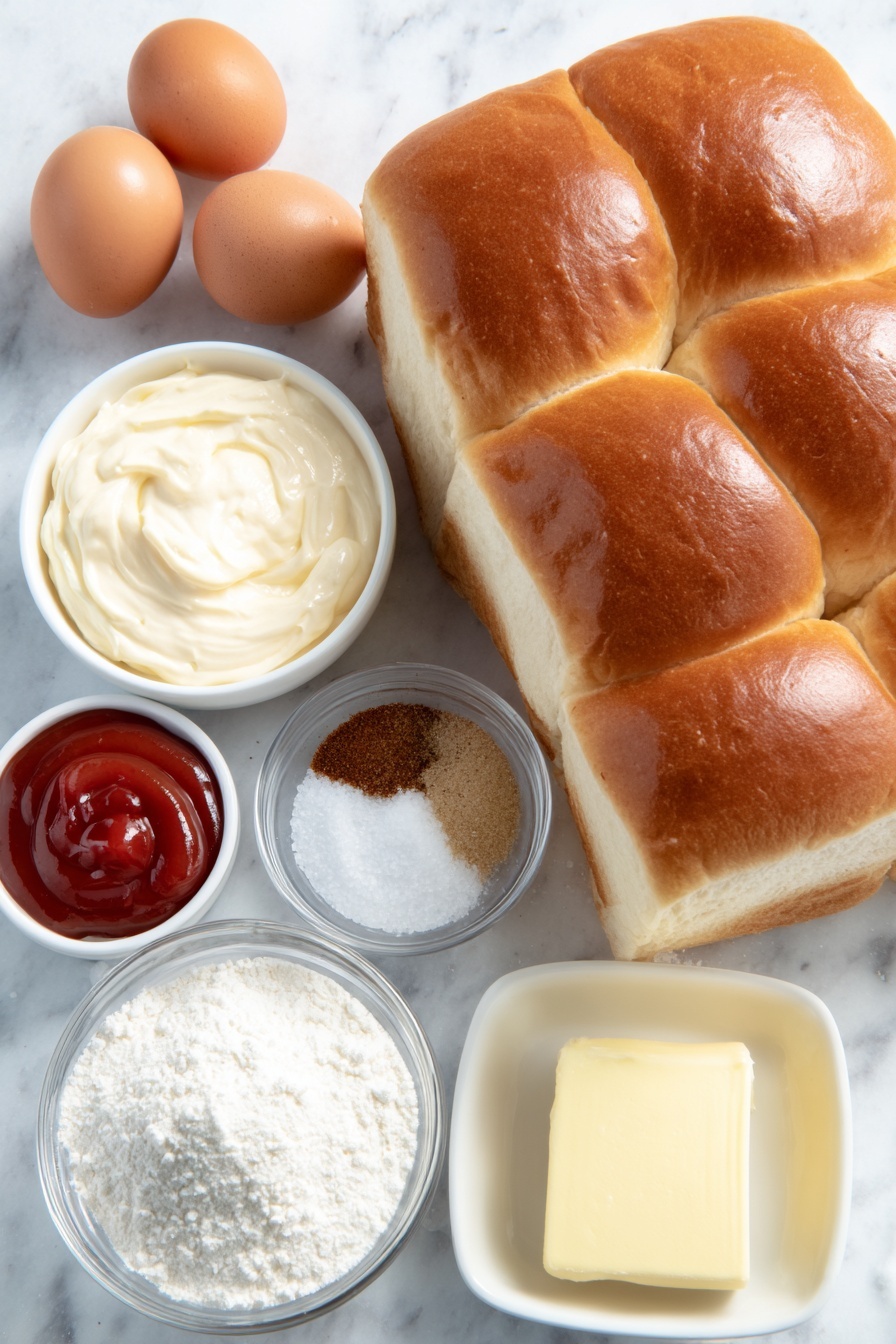
- Eggs: The star of the show; fresh eggs help you get that creamy yolk texture and tender whites.
- Kewpie mayonnaise: This Japanese mayo is richer and less tangy than regular mayo, which compliments the eggs beautifully.
- Sugar: Just a pinch to add that subtle sweetness that balances the savory notes.
- Ketchup (optional): Adds brightness and a little gentle acidity, but feel free to skip if you prefer.
- Nutmeg (optional): A small dash lifts the flavor with warm spice—don’t skip if you like subtle complexity.
- MSG (optional): Enhances umami without overt flavor—use sparingly if at all.
- Salt and freshly cracked black pepper: Essential for seasoning and bringing out the egg’s natural flavor.
- Shokupan bread: A soft, slightly sweet Japanese milk bread; using a 6- or 8-slice loaf size affects the sandwich proportions.
- Butter: For spreading on the bread’s outside; it adds richness and keeps everything wonderfully moist.
Variations
One of the things I love most about the Japanese Egg Sandwich (Tamago Sando) Recipe is how easily you can customize it to your taste or whichever eggs you have on hand. I often switch between classic hard-boiled versions and the luxurious soft-boiled ones depending on my mood or occasion.
- Soft-Boiled Egg Version: I discovered this twist recently, and it’s great when you want a richer, more decadent bite—the yolk gets a luscious creaminess that makes it extra special.
- Dairy-Free Twist: Swap butter for a gentle olive oil spread and use a vegan mayo for a dairy-free but still creamy sandwich.
- Additional Fillings: Feel free to add thinly sliced cucumber or a small pinch of chives for freshness and a little crunch.
- Spice It Up: For a kick, sprinkle a touch of shichimi togarashi or add a dab of spicy mayo when assembling.
How to Make Japanese Egg Sandwich (Tamago Sando) Recipe
Step 1: Perfectly Boil Your Eggs
Whether you’re making the classic or soft-boiled version, timing is everything here. For the classic version, I hard boil the eggs by placing them in boiling water for about 10 minutes, then immediately plunge them into ice water to stop cooking and make peeling a breeze. For the soft-boiled variation, I gently cook two eggs for around 6 to 7 minutes so the yolks stay creamy, while the other two eggs get hard-boiled like the classic method. This contrast gives the sandwich that magical texture combination.
Step 2: Make Your Dreamy Egg Salad Filling
Once your eggs are peeled, separate the yolks from the whites (don’t skip this step—it’s the secret to that velvety texture). Mash the yolks with Kewpie mayo, sugar, optional ketchup and nutmeg, a dash of salt and pepper (add MSG if you’re using it). For the whites, chop them finely and gently fold into the yolk mixture. This blend creates an ideal balance of fluffy creaminess with tender chunks you’ll love biting into.
Step 3: Assemble Like a Pro
For the classic sandwich, I like to remove the crusts because it makes the sandwich softer and easier to bite into, but if you prefer crusts, go for it. Butter one side of each slice—this gives a subtle richness and helps prevent the bread from getting soggy too fast. Spread the egg salad generously, focusing on piling a little more in the center so you get that beautiful cross-section once sliced.
For the soft-boiled egg sandwich, keep the crusts on since the sandwich is chunkier. After spreading egg salad on one slice (buttered side up), lay the soft-boiled eggs horizontally right in the center, then spoon more egg salad around and on top to hold everything in place. Cap it with the second slice butter side down.
Step 4: Wrap, Rest, and Slice
This is a game-changer! Wrap the sandwich tightly in plastic wrap (classic) or parchment paper (soft-boiled). Let it rest for at least 5 minutes—this short chill time helps everything set so you don’t have a messy filling when you slice. When cutting, use a very sharp knife and slice gently in half. If you wrapped it well, you’ll see those gorgeous layers of creamy egg filling and fluffy bread. I absolutely love how that look impresses everyone!
Pro Tips for Making Japanese Egg Sandwich (Tamago Sando) Recipe
- Use Fresh Eggs: Fresh eggs are easier to peel and taste better, which makes a noticeable difference in the sandwich.
- Master the Ice Bath: I learned that shocking eggs immediately in ice water prevents overcooking and gives you perfect texture every time.
- Don’t Skip the Rest: Wrapping and resting the sandwich ensures a neater slice and lets flavors meld beautifully.
- Sharp Knife Is Key: Using a serrated or very sharp knife helps keep the bread intact and prevents squashing your sandwich.
How to Serve Japanese Egg Sandwich (Tamago Sando) Recipe

Garnishes
I usually keep the garnishes simple to let the egg shine. A tiny sprinkle of finely chopped chives or parsley adds a fresh look and mild onion flavor that complements the creamy egg filling perfectly. Sometimes a light dusting of shichimi togarashi adds a little pop of heat and color if I want a little excitement.
Side Dishes
Pairing the Japanese Egg Sandwich with a crisp green salad or a small bowl of miso soup is my go-to combo for an easy lunch. The freshness and warmth from the sides balance out the richness of the sandwich so nicely.
Creative Ways to Present
For special occasions, I like slicing the sandwich into cute little triangles arranged on a pretty platter, sometimes dusting a tiny bit of toasted sesame seeds on top. Adding edible flowers or colorful microgreens as garnishes can turn this humble sandwich into a real conversation starter at brunch.
Make Ahead and Storage
Storing Leftovers
If you happen to have leftovers (rare, but it happens!), wrap them tightly in plastic wrap and store in the fridge. I find eating them within 24 hours gives the best texture and flavor; after that, the bread tends to get a bit soggy.
Freezing
Freezing isn’t my personal favorite for this sandwich because the bread and egg filling lose some of their tenderness, but if you want to, wrap tightly and freeze for up to a month. Thaw overnight in the fridge before serving.
Reheating
Reheating is tricky since you want to avoid overcooking the eggs. To revive a chilled sandwich, I pop it in the microwave for about 10 seconds wrapped in a paper towel just to take the chill off—but honestly, I find it best enjoyed fresh!
FAQs
-
Can I use regular mayonnaise instead of Kewpie in this Japanese Egg Sandwich (Tamago Sando) Recipe?
Absolutely! While Kewpie mayo adds that authentic umami and creaminess, using a good quality regular mayonnaise will still yield a delicious sandwich. You might want to add a tiny splash of rice vinegar or lemon juice to mimic Kewpie’s subtle tang.
-
What kind of bread works best for Tamago Sando?
Shokupan, the Japanese milk bread, is ideal because it has a soft, fluffy crumb and subtle sweetness that pairs perfectly with the egg filling. If you can’t find it, any soft white sandwich bread will do, but avoid denser breads like whole wheat as they overpower the delicate flavors.
-
How do I prevent the sandwich from getting soggy?
Butter the bread slices on the sides facing out before spreading the egg salad—that creates a moisture barrier keeping the bread from soaking up too much filling moisture. Also, slicing and eating the sandwich soon after assembling or after a short rest helps maintain texture.
-
Can I make this sandwich vegan or vegetarian?
This sandwich is egg-based, so it’s vegetarian but not vegan. For a vegan option, you might try mashed tofu or chickpea “egg” salad with vegan mayo, though it won’t be quite the same as traditional Tamago Sando.
-
Why add sugar and nutmeg to the egg salad?
The sugar adds a gentle sweetness that balances the savory mayo and eggs, making the sandwich taste harmonious, not bland or salty. Nutmeg brings a subtle warm spice note that lifts all the flavors without overpowering them—trust me, it’s a little trick I learned that makes a huge difference!
Final Thoughts
This Japanese Egg Sandwich (Tamago Sando) Recipe is a true gem. It’s deceptively simple but delivers a texture and flavor combo that just makes you want to come back for more. I always keep the ingredients handy because it’s perfect for a quick breakfast, snack, or lunch that feels special. Try this recipe like you’re making it for a good friend—I promise it’ll become one of your all-time favorites as it did for me and my family!
Print
Japanese Egg Sandwich (Tamago Sando) Recipe
- Prep Time: 10 minutes
- Cook Time: 14 minutes
- Total Time: 24 minutes
- Yield: 1 sandwich
- Category: Sandwich
- Method: Boiling
- Cuisine: Japanese
Description
Japanese Egg Sandwich, also known as Tamago Sando, features creamy and delicate egg salad encased in soft, fluffy shokupan bread. This recipe offers two variations: a Classic Egg Sandwich with hard-boiled eggs and a Soft Boiled Egg Sandwich that includes soft-boiled eggs for a richer texture. Perfect for a comforting snack or lunch, these sandwiches combine the subtle sweetness of Kewpie mayonnaise and a hint of seasoning for a uniquely Japanese twist.
Ingredients
Classic Egg Sandwich
- 2 large eggs
- 1 tbsp + 1 tsp Kewpie mayonnaise
- 1/8 tsp sugar
- 1 tsp ketchup (optional)
- 1/8 tsp nutmeg (optional)
- 1/8 tsp MSG (optional)
- 1/8 tsp salt
- 1/8 tsp freshly cracked black pepper
- 2 slices of shokupan bread (8-slice loaf preferred)
- Butter, for spreading
Soft Boiled Egg Sandwich
- 4 large eggs
- 1 tbsp + 1 tsp (20 g) Kewpie mayonnaise
- 1/8 tsp (1.6 g) sugar
- 1 tsp (2.5 g) ketchup (optional)
- 1/8 tsp nutmeg (optional)
- 1/8 tsp MSG (optional)
- 1/8 tsp salt
- 1/8 tsp freshly cracked black pepper
- 2 slices of shokupan bread (6-slice loaf preferred)
- Butter, for spreading
Instructions
- Boil the Eggs: For the Classic version, hard boil 2 eggs by simmering them in boiling water for about 9-10 minutes. For the Soft Boiled version, soft boil 2 eggs by boiling them for about 6 minutes and hard boil the remaining 2 eggs for 9-10 minutes. Immediately transfer eggs to ice water to cool, then peel the shells off carefully.
- Prepare the Egg Salad: Separate yolks and whites of hard-boiled eggs. For Classic, mash the yolks with Kewpie mayonnaise, sugar, ketchup (if using), nutmeg, MSG, salt, and freshly cracked black pepper until smooth. Finely chop the egg whites and gently fold them into the yolk mixture. For Soft Boiled, do the same with the hard-boiled eggs only, mashing yolks and folding in chopped whites along with seasoning, leaving the soft boiled eggs whole.
- Assemble the Sandwich – Classic: Remove crusts from the shokupan slices. Butter one side of each slice evenly. Spread the prepared egg salad generously over one slice of bread, concentrating the filling slightly more in the center to create a pleasing cross-section.
- Assemble the Sandwich – Soft Boiled: Keep the crusts on the bread slices. Butter one side of each slice. Spread a generous layer of egg salad on one slice, focusing in the center. Lay two soft boiled eggs horizontally across the middle of the egg salad. Spoon extra egg salad around and over the soft boiled eggs to hold them in place, then top with the second slice of bread, butter side down.
- Wrap & Rest: For Classic, wrap the sandwich tightly in plastic wrap and let it rest for 5 minutes. For Soft Boiled, wrap tightly in parchment paper so that the eggs will be sliced in half when cut, place a light flat plate on top, and rest for 5 minutes to help the sandwich hold its shape.
- Slice & Serve: Using a very sharp knife, cut the Classic sandwich in half and remove the plastic wrap. For Soft Boiled, slice through the center (the tallest part) for the best cross-section and serve immediately. Enjoy the creamy, flavor-packed egg sandwich!
Notes
- Kewpie mayonnaise is key for authentic flavor, but regular mayonnaise can be substituted in a pinch.
- Soft boiled eggs add a richer, creamier texture but require a bit more precision in cooking.
- Optional seasonings like ketchup, nutmeg, and MSG enhance the umami and sweetness but can be omitted according to taste.
- Using shokupan bread (a Japanese milk bread) gives the sandwich its uniquely fluffy and tender texture.
- Resting the wrapped sandwich helps the flavors meld and makes it easier to slice cleanly.
- Be sure to use a very sharp knife to get clean, even slices for the best presentation.
Nutrition
- Serving Size: 1 sandwich
- Calories: 380 kcal
- Sugar: 3 g
- Sodium: 450 mg
- Fat: 28 g
- Saturated Fat: 5 g
- Unsaturated Fat: 20 g
- Trans Fat: 0 g
- Carbohydrates: 22 g
- Fiber: 1 g
- Protein: 12 g
- Cholesterol: 250 mg


Your email address will not be published. Required fields are marked *