

If you’re craving a quick and flavorful takeout-style meal, look no further. This Quick Cantonese Chicken Chow Mein Recipe is exactly what you need for a weeknight dinner that feels special but comes together in no time. I absolutely love how the noodles get that perfect balance of crispy edges and tender bites, with a sauce that’s packed with umami and just the right hint of sweetness. When I first tried this, I never imagined something so simple could taste so restaurant-quality — and you’ll find that making it at home means you can tweak every element to your liking.
Why You’ll Love This Recipe
- Speedy and Simple: Ready in just about 15 minutes, perfect for busy evenings.
- Flavors That Pop: The mix of dark soy, oyster sauce, and sesame oil creates authentic Cantonese taste.
- Textural Delight: Crispy pan-fried noodles with tender veggies and juicy chicken — my family goes crazy for this balance!
- Customizable: Easy to swap veggies or protein depending on what you have in the fridge.

Ingredients You’ll Need
These ingredients come together perfectly for that classic Cantonese chicken chow mein. I always recommend fresh Hong Kong-style chow mein noodles for best texture, but you can find thin egg noodles in the Asian aisle too. The sauce is simple but packs a punch, and little touches like sesame oil and fresh green onions bring everything to life.
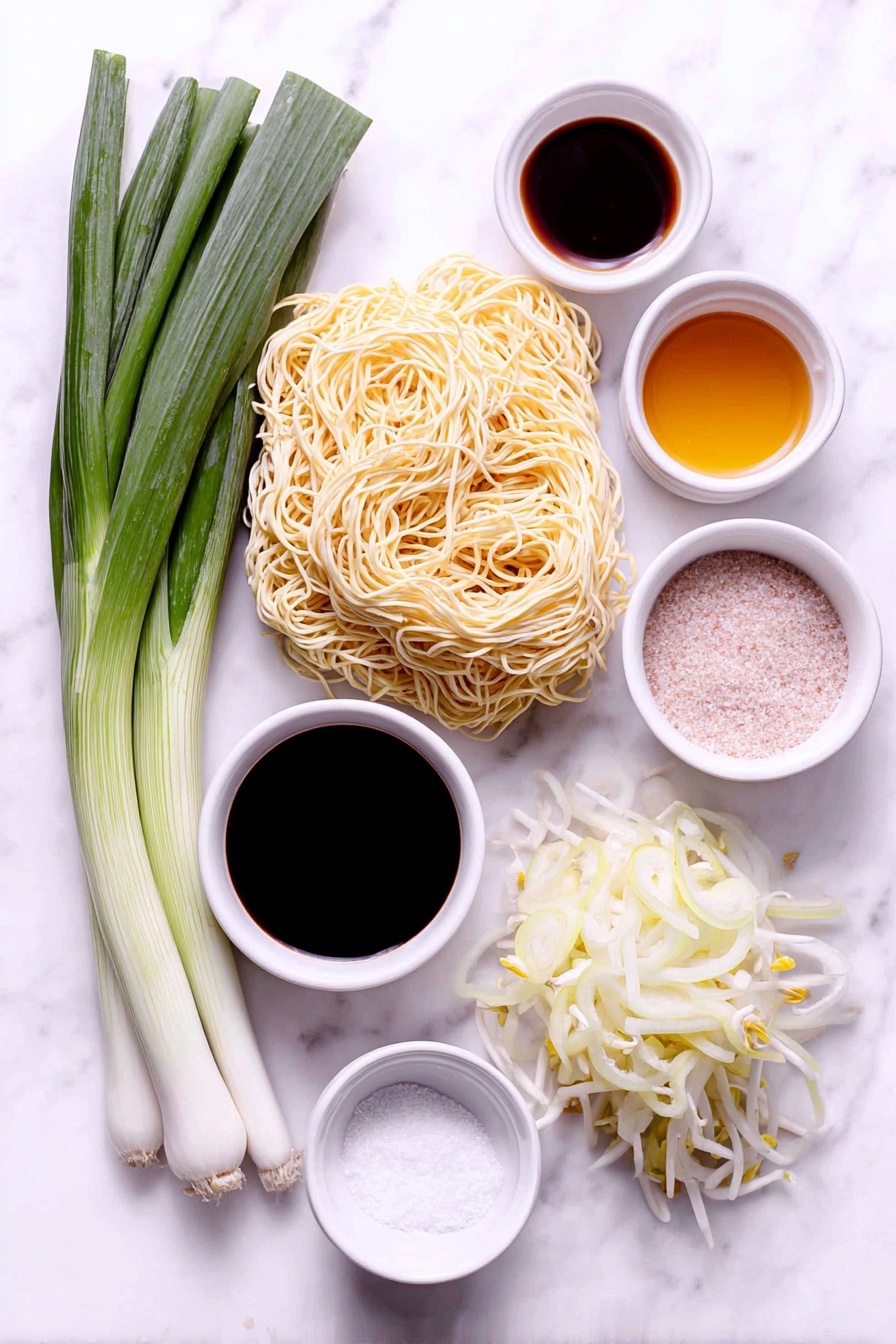
- Chow mein egg noodles: Opt for thin, fresh Hong Kong-style noodles if possible—they crisp up beautifully and have a great chew.
- Yellow onion: Adds sweetness and depth to the dish; slicing thinly ensures it cooks quickly.
- Green onions (scallions): Separating whites and greens allows you to build flavor layers effectively.
- Bean sprouts: They offer a fresh crunch that contrasts delightfully with the noodles.
- Corn oil or neutral oil: Great for stir-frying because of its high smoke point and neutral flavor.
- Sesame oil: Just a touch at the end for that unmistakable nutty aroma that finishes the dish beautifully.
- Dark soy sauce: Adds color and a rich umami depth to the sauce.
- Regular soy sauce: For saltiness and balance.
- Oyster sauce: This gives a subtle sweetness and thickens the sauce slightly.
- Fish sauce: Use sparingly — it intensifies the savory notes without tasting fishy.
- Granulated sugar: Balances the salty and savory flavors for harmony.
- Water: To help dissolve sugar and thin out the sauce just right.
Variations
I love making this Quick Cantonese Chicken Chow Mein Recipe my own depending on what’s in the fridge. You can easily swap in other veggies or proteins, and I encourage you to experiment a bit—this recipe is forgiving and adaptable!
- Protein swaps: Try shrimp, thinly sliced beef, or tofu if you want to mix up the flavors or accommodate dietary needs.
- Vegetarian version: Skip the chicken and add more mushrooms, bell peppers, and snap peas for a fresh twist.
- Spice it up: Add a dash of chili oil or sprinkle with crushed red pepper flakes if you like some heat.
- Gluten-free: Use gluten-free soy sauce and check your noodles—rice noodles can be a tasty alternative.
How to Make Quick Cantonese Chicken Chow Mein Recipe
Step 1: Soften Your Noodles Just Right
This step is key for a perfectly textured chow mein. Pour boiling water over your fresh chow mein noodles and let them soak for 30 seconds to 1 minute, just until they’re pliable but not mushy. Drain them well — I discovered soaking too long leaves you with soggy noodles, so keep a close eye here!
Step 2: Mix the Magic Sauce
In a small bowl, whisk together dark soy sauce, regular soy sauce, oyster sauce, fish sauce, granulated sugar, and a splash of water. Make sure the sugar dissolves thoroughly—this sauce will coat your noodles, so even seasoning is crucial for that perfect flavor.
Step 3: Sauté Your Aromatics
Heat a tablespoon of corn oil in your wok until it’s shimmering but not smoking. Toss in the thinly sliced yellow onion and the white parts of your green onions. Stir-fry for about a minute until fragrant and slightly softened, then remove and set aside. This step builds a savory base that you’ll taste in every bite.
Step 4: Crisp Up the Noodles
This part is so satisfying! Heat another tablespoon of corn oil over medium-high heat until hot. Spread your noodles evenly in the wok in a thin layer—no overcrowding! Let them cook untouched for about 2 minutes. Then carefully flip them over (a spatula helps here), add a bit more oil around the edges, and cook for another 2 minutes. You want a golden crispy crust here—that crunch is what makes this chow mein stand out.
Step 5: Bring It All Together
Return your sautéed onions to the wok along with bean sprouts and the green parts of your scallions. Then pour the sauce over everything. Gently toss and stir for 1-2 minutes until everything is combined and heated through. Give it a quick taste and adjust with a splash more soy sauce or sugar if needed.
Step 6: Finish With Sesame Oil and Serve
Remove the wok from heat and drizzle in that sesame oil. Toss to combine—this final step adds a lovely nuttiness and aroma that makes the dish sing. Serve immediately for the best texture and flavor.
Pro Tips for Making Quick Cantonese Chicken Chow Mein Recipe
- Don’t Over-Soak Noodles: Just a quick soak keeps noodles firm enough to crisp up nicely—over-soaking makes them soggy.
- Use a Hot Wok: High heat is your friend here; it’s what produces that amazing sear and crisp on the noodles.
- Add Oil Around the Edges: When frying the noodles, pouring oil in the pan’s edges helps crisp the bottom evenly without burning.
- Don’t Skip Sesame Oil: It might seem small, but that fragrant finish elevates your chow mein from good to restaurant-level amazing.
How to Serve Quick Cantonese Chicken Chow Mein Recipe
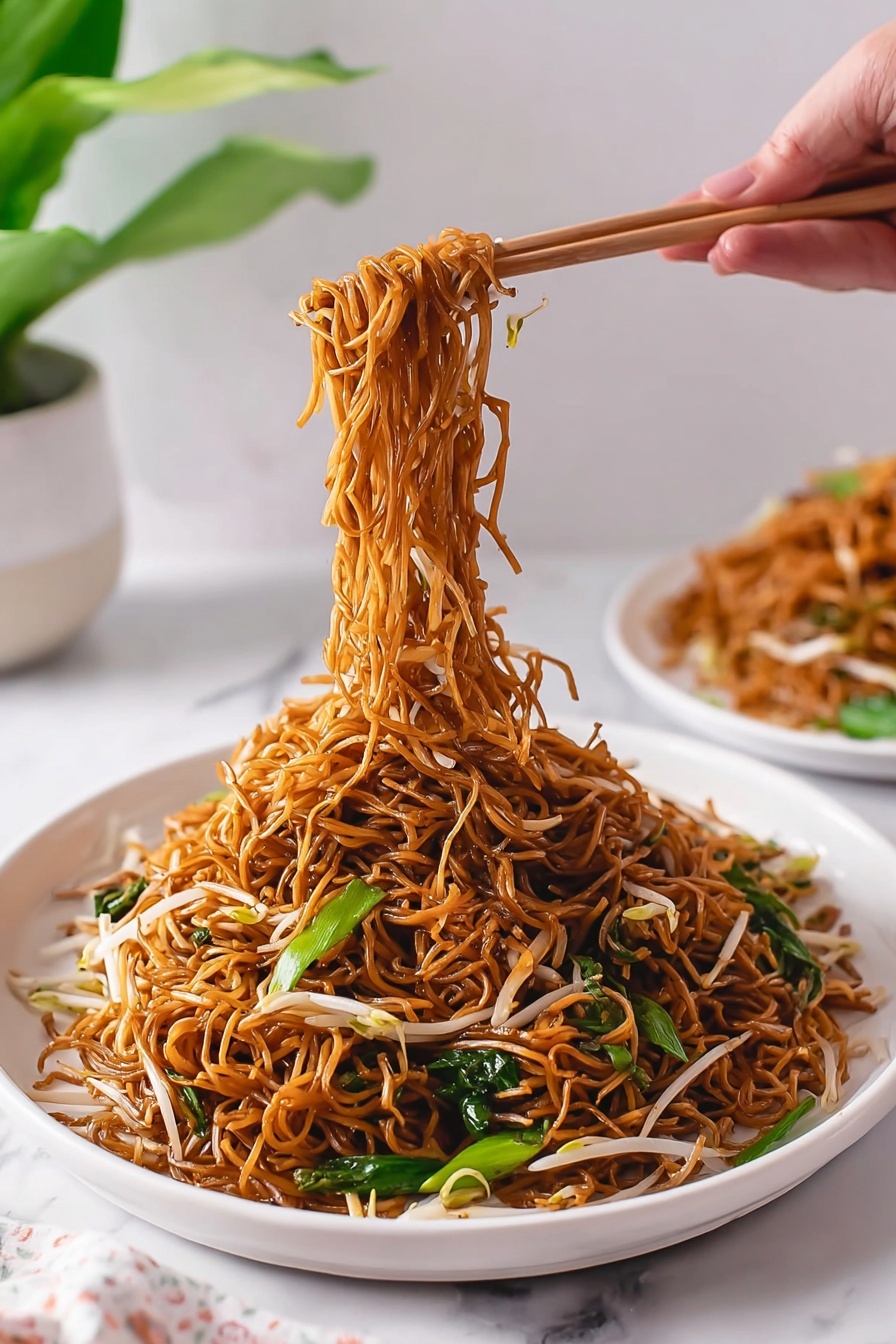
Garnishes
I usually sprinkle chopped fresh green onions and a few toasted sesame seeds on top—it adds a fresh pop and extra texture. Sometimes I like tossing in some crushed peanuts for crunch, especially when serving to guests; it makes it feel a little fancy without extra effort.
Side Dishes
This chow mein pairs perfectly with simple steamed bok choy or sautéed garlic green beans. If you want a heartier meal, a light egg drop soup or some potstickers make fantastic companions. My family loves this trusty combo when I need an easy Asian-inspired dinner on the table.
Creative Ways to Present
One of my favorite ways to jazz this up for a dinner party is serving the chow mein in individual lettuce cups or on crisp wonton cups for a fun appetizer twist. You can also plate it on a large platter garnished with fresh cilantro and thinly sliced red chili for color and a slight kick—great for sharing!
Make Ahead and Storage
Storing Leftovers
I store any leftovers in an airtight container in the refrigerator, and they usually last for 2 to 3 days. The noodles do soften a bit, but reheating with a quick toss in a hot pan brings back some of that crispiness.
Freezing
Freezing isn’t my first choice for this recipe because the texture suffers, but if you need to, freeze in a flat container and thaw overnight in the fridge. Expect a softer noodle texture after reheating.
Reheating
Reheat leftovers in a hot, lightly oiled pan over medium-high heat. Stir frequently to prevent sticking and try to crisp up the noodles again. Avoid microwaving if you want to keep the best texture.
FAQs
-
Can I use dried noodles instead of fresh chow mein noodles?
Yes, you can use dried egg noodles as a substitute. Just cook them according to package instructions until al dente, drain well, and proceed with the recipe. Expect a slightly different texture because fresh noodles crisp up better, but it’ll still be delicious.
-
What’s the best way to get the noodles crispy?
Make sure your wok or pan is very hot before adding the noodles. Spread them in a thin, even layer and don’t stir too soon. Allow each side to develop a golden crust before flipping. Adding oil around the perimeter helps create that perfect crisp without burning.
-
Can I prepare this recipe vegetarian?
Absolutely! Omit the chicken and use tofu or just load up on veggies like mushrooms, carrots, and snap peas. Swap oyster sauce with vegetarian mushroom sauce or a tamari-based alternative to keep it plant-based and flavorful.
-
How do I avoid soggy chow mein?
The key is to soak noodles just until softened but not overly soft, and to stir-fry on high heat with enough oil. Also, avoid adding too much liquid all at once; add the sauce in small amounts and toss quickly to coat.
-
Is fish sauce necessary in this recipe?
While fish sauce adds depth and umami, you can omit it if you’re sensitive to the flavor or allergic. The dish will still be tasty with the oyster sauce and soy sauces. Just be sure to adjust saltiness after tasting.
Final Thoughts
This Quick Cantonese Chicken Chow Mein Recipe has become one of my go-to comfort meals because it’s straightforward, fast, and utterly delicious. I love that it feels like something special without a giant time or ingredient commitment. If you give it a try, you’ll soon find yourself craving it again and again — and that’s exactly what happened with me and my family. So grab those noodles, heat up your wok, and enjoy the magic of homemade chow mein!
Print
Quick Cantonese Chicken Chow Mein Recipe
- Prep Time: 5 minutes
- Cook Time: 10 minutes
- Total Time: 15 minutes
- Yield: 2 servings
- Category: Main Course
- Method: Frying
- Cuisine: Cantonese
Description
A classic Cantonese-style Chow Mein featuring thin fresh egg noodles stir-fried to a perfect crisp, tossed with sautéed onions, crunchy bean sprouts, and a flavorful blend of soy and oyster sauces. This quick and savory dish is finished with a touch of fragrant sesame oil, making it an irresistible and authentic stir-fry perfect for a fast weeknight meal.
Ingredients
Noodles and Vegetables
- 12 oz chow mein egg noodles (thin fresh noodles, Hong-Kong style)
- ½ small yellow onion, thinly sliced
- 5 stalks green onions, cut into 2-inch pieces (whites and greens divided)
- 2 cups bean sprouts
Oils
- 3 tablespoons corn oil or any neutral oil
- 1 teaspoon sesame oil (to finish)
Stir Fry Sauce
- 2 tablespoons dark soy sauce
- 1 tablespoon regular soy sauce
- 1 tablespoon oyster sauce
- ½ teaspoon fish sauce
- 1 tablespoon granulated sugar
- 1 tablespoon water
Instructions
- Cook the noodles: Pour boiling water over the chow mein noodles and soak them for 30 seconds to 1 minute until they soften. Drain well and set aside to prevent overcooking.
- Make the sauce: In a small bowl, combine dark soy sauce, regular soy sauce, oyster sauce, fish sauce, granulated sugar, and water. Stir gently until the sugar fully dissolves to create a balanced savory sauce.
- Sauté aromatics: Heat 1 tablespoon of corn oil in a wok over medium-high heat until hot. Add the sliced yellow onions and the white parts of the green onions. Sauté for about 1 minute until fragrant and slightly softened. Remove from wok and set aside.
- Pan-fry the noodles: In the same wok, heat another tablespoon of corn oil over medium-high heat for about 2 minutes until hot. Add the drained noodles and spread them evenly in a thin layer. Allow the noodles to crisp undisturbed for 2 minutes. Flip the noodles gently, add the remaining tablespoon of corn oil around the edges of the wok, and cook for another 2 minutes until the noodles develop a crispy, golden texture.
- Add the vegetables and sauce: Return the sautéed onions, add the remaining green parts of the green onions and bean sprouts to the wok with the noodles. Pour the prepared stir-fry sauce over everything. Gently toss and mix for 1-2 minutes until all ingredients are evenly combined and heated through. Taste and adjust seasoning if needed.
- Serve: Remove the wok from heat, drizzle the sesame oil over the noodles, and toss once more to distribute the fragrance. Serve immediately while hot for the best texture and flavor experience.
Notes
- Use fresh Hong-Kong style chow mein noodles for the best texture; avoid dried noodles if possible.
- Soaking noodles briefly in boiling water avoids overcooking and keeps the noodles tender before crisping in the pan.
- Be careful not to stir the noodles too much during frying to allow them to develop a crispy crust.
- Adjust the amount of sauce ingredients to suit your taste preference, especially the fish sauce for saltiness.
- Sesame oil is added at the end as a finishing oil due to its low smoke point and strong aroma.
- Use a well-seasoned wok or large skillet for even heat distribution when frying.
Nutrition
- Serving Size: 1 serving (approximately half the recipe)
- Calories: 450 kcal
- Sugar: 6 g
- Sodium: 950 mg
- Fat: 15 g
- Saturated Fat: 2.5 g
- Unsaturated Fat: 11 g
- Trans Fat: 0 g
- Carbohydrates: 60 g
- Fiber: 3 g
- Protein: 15 g
- Cholesterol: 0 mg


Your email address will not be published. Required fields are marked *